
House boating on Lake Kariba, Zimbabwe
- On July 12, 2014
- By victoria
- In Africa, Zimbabwe
 0
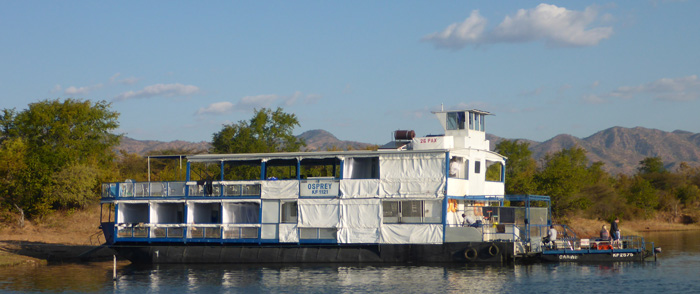
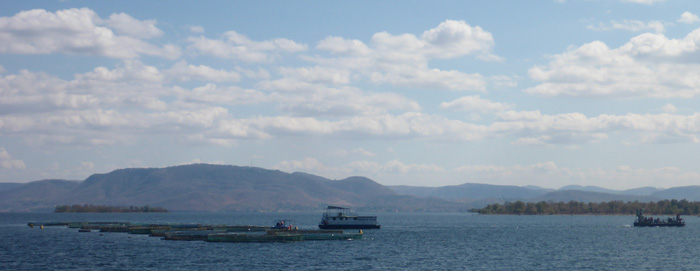
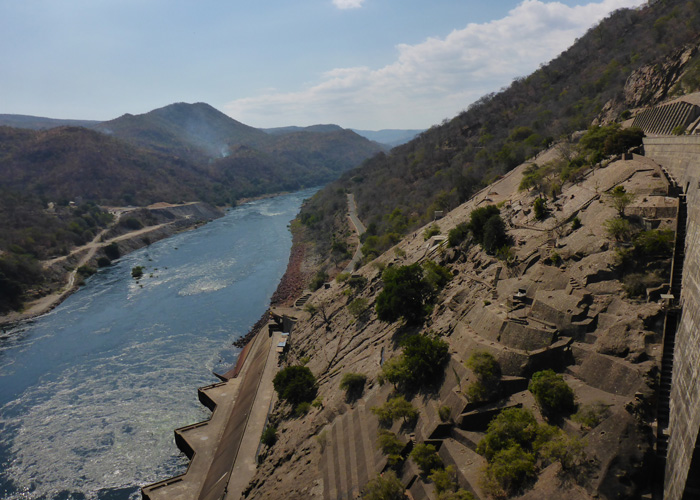
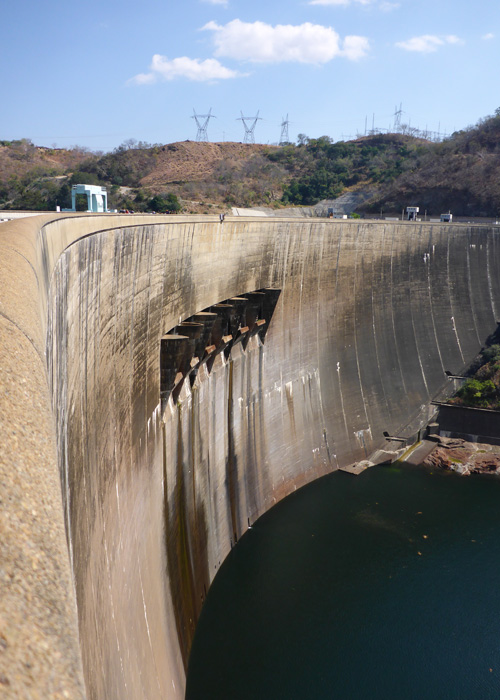
Sitting on the border of Zambia and Zimbabwe, Lake Kariba is one of the largest manmade lakes in the world, covering an area of over 5000 sq km, at it’s deepest it is 126m. The lake that is fed by three rivers, the main being the Zambezi, was created in the late 1950’s in conjunction with the Kariba dam to create electricity for the surrounding areas in both Zambia and Zimbabwe. Before the lake was created the land was farmlands and villages, all the residents were relocated to higher ground before the land was flooded.
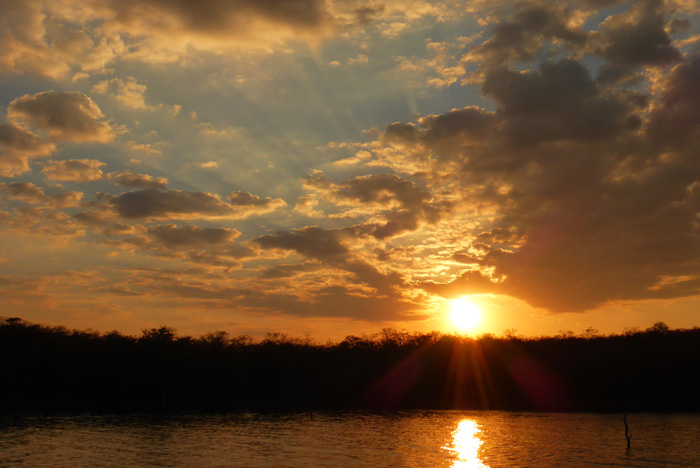
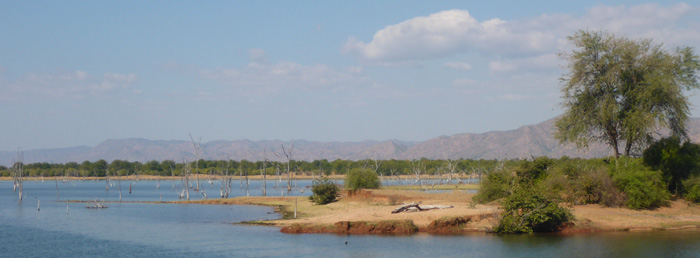
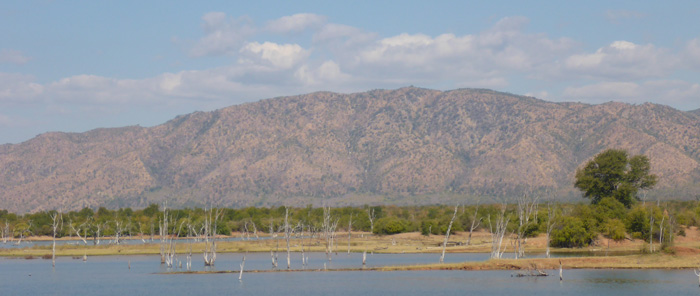
Our boat was called “Osprey”, run by Lake Kariba Houseboats, slept a maximum of 26 people, some of the other boats can sleep from 12 – 40 people. Our first night was spent on the North shore of the lake, where we went for a sunset boat ride. The second night we moored on the Southern lake shore in the Matusadona National Park, from here we took dusk and dawn boat trips to see the wildlife, the park does have the big five and elephants are regularly spotted, although we didn’t see any. The lake is dotted with islands and on the South shore you can see mountains and forests.
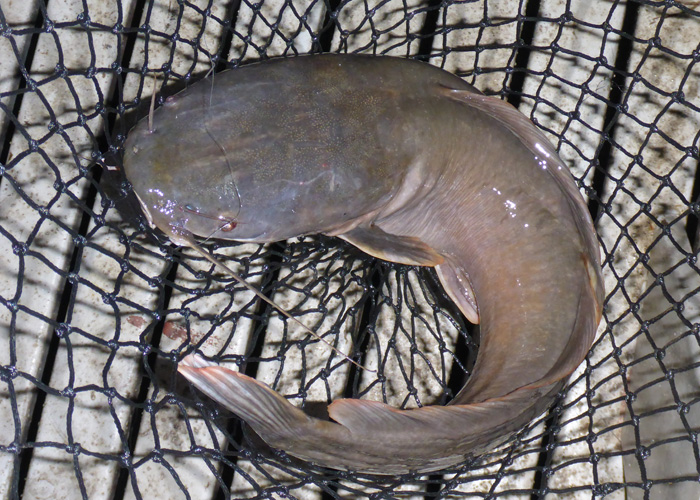
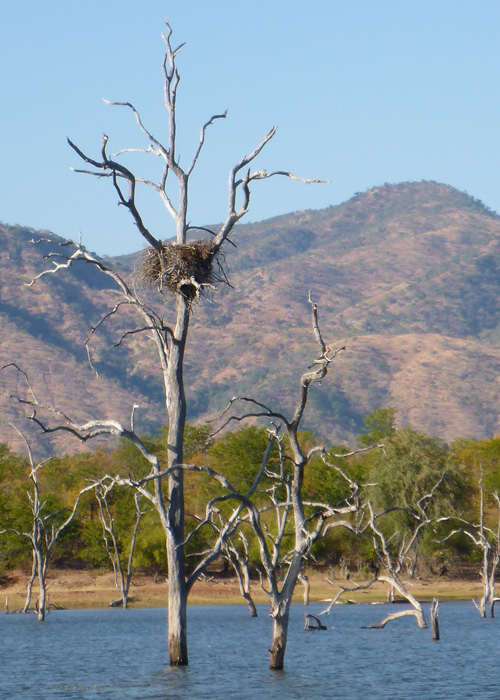
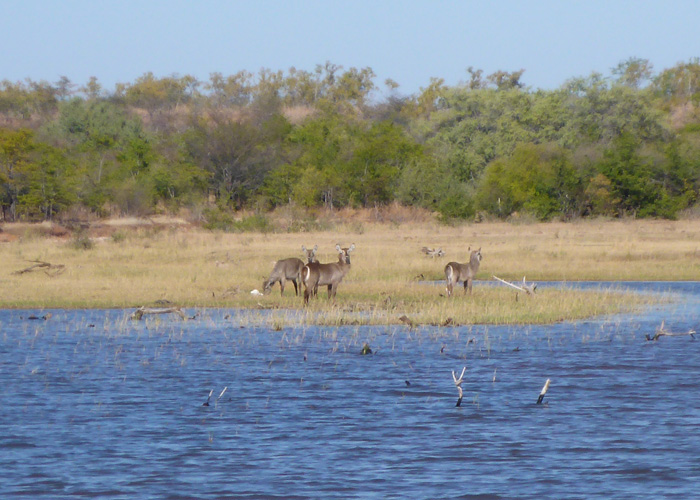
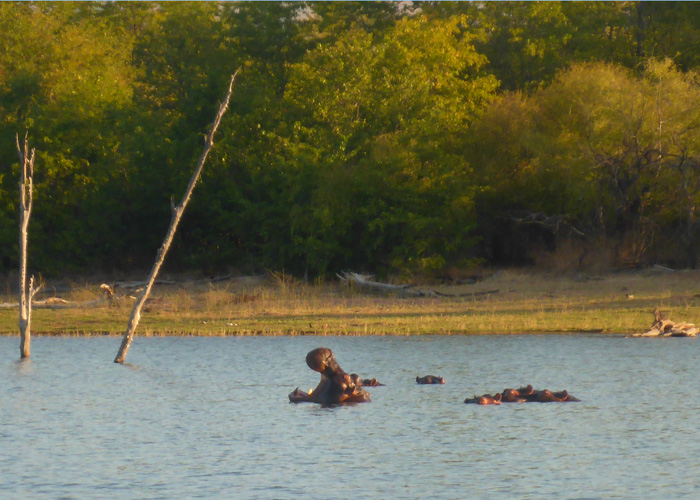
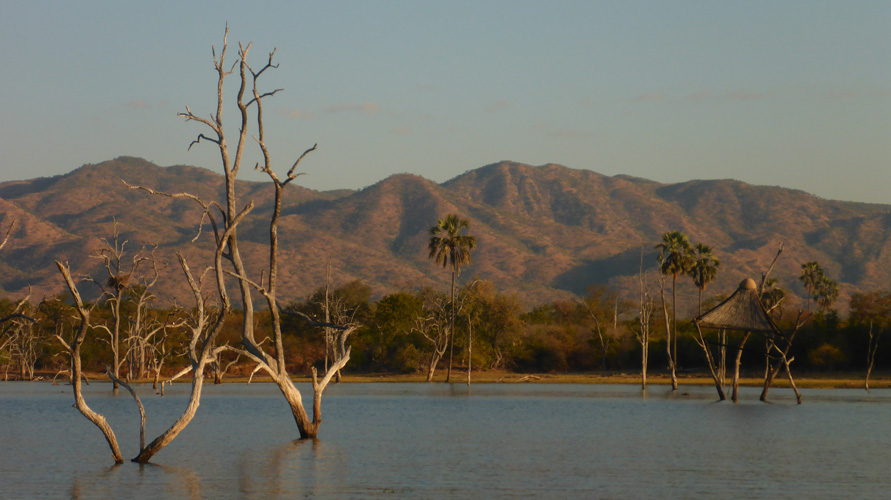
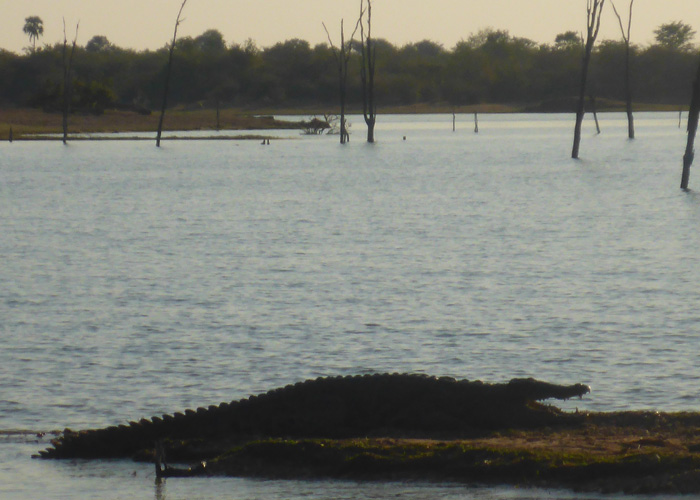
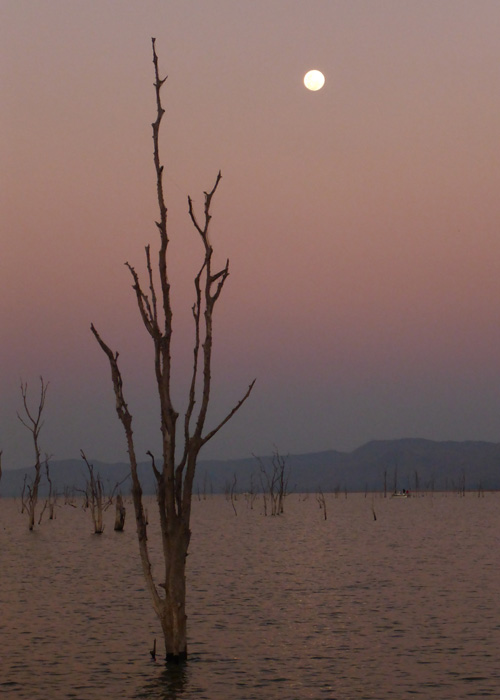
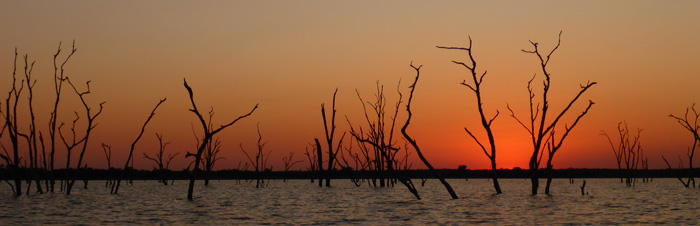
In the shallows and along the lake shore you can see skeletons of trees still standing, from before the lake was created, where fish eagles have built their nests, you also see lots of cormorants fishing alongside pods of hippopotamus poking their heads out of the water and crocodiles lazing on the shores. We also saw a few impala and waterbuck on the shores. Most of the animals that live in and around the lake are native to the area, only a few species of fish were introduced when the lake was created. We didn’t swim in the lake because of the hippos and crocs, but the houseboat had a small cage at the back that was lowered into the water to allow you to cool off in the water. Just last week a crocodile took and killed a guy from the shore who was tying up his boat.

Walking and horse riding in Malawi
- On July 07, 2014
- By victoria
- In Africa, Malawi
- 0
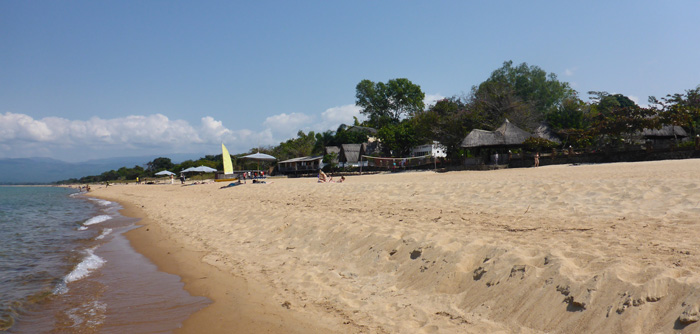
We stayed at Hakuna Matata camp in Chitimba for a couple of nights, then Kande Beach camp in Kande for another two nights. Both of which sit on the the shores of Lake Malawi, Africa’s third largest, nicknamed the calendar lake because it it 365m long by 52m wide, it sits in a trough formed by the Great Rift Valley.
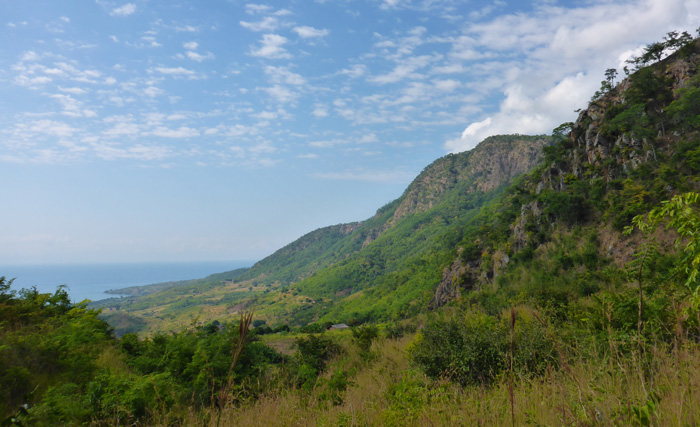
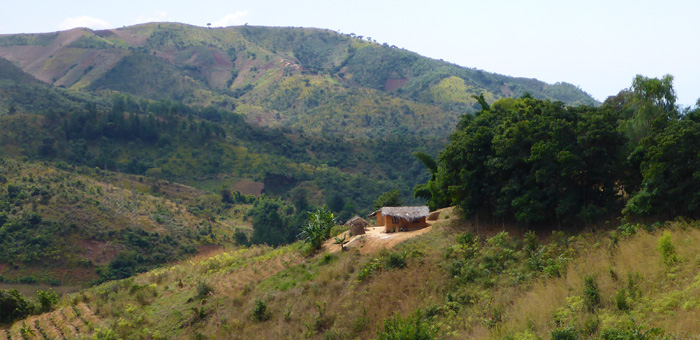
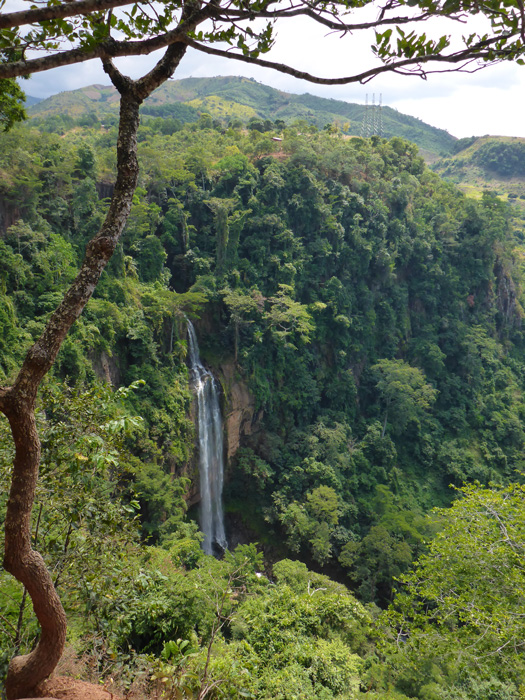
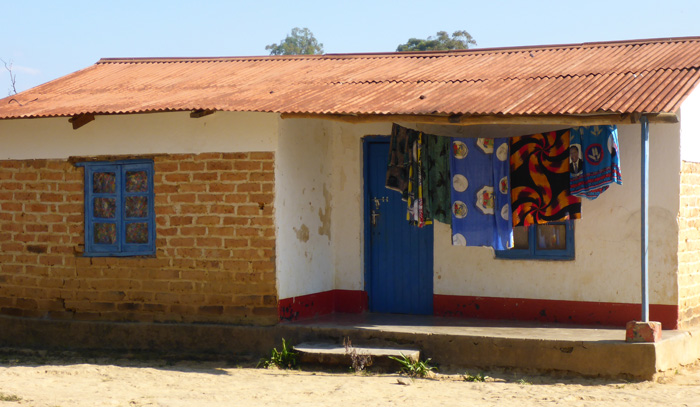
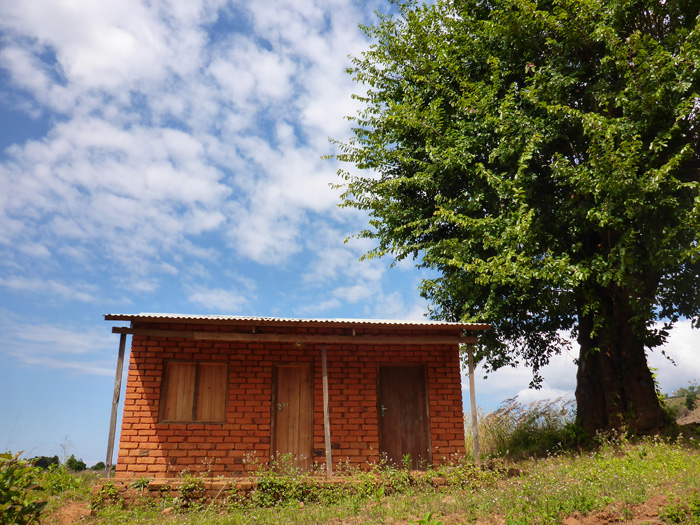
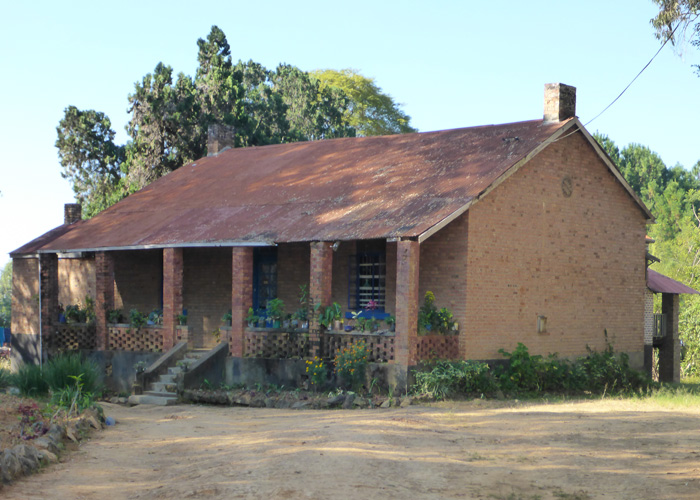
From Chitimba we walked to nearby Livingstonia which was a 30km round trip, up a zig-zagging track through thick forests and onto an open plateau. Livingstonia was built in 1884 by missionaries and named after Dr David Livingtsone, the Scottish explorer. It is a very picturesque place, with lots of colonial style buildings alongside traditional African buildings and mud and thatch huts. En route to Livingstonia we saw Manchewe Falls, which is where, according to local stories, people hid in the caves from the slave traders.
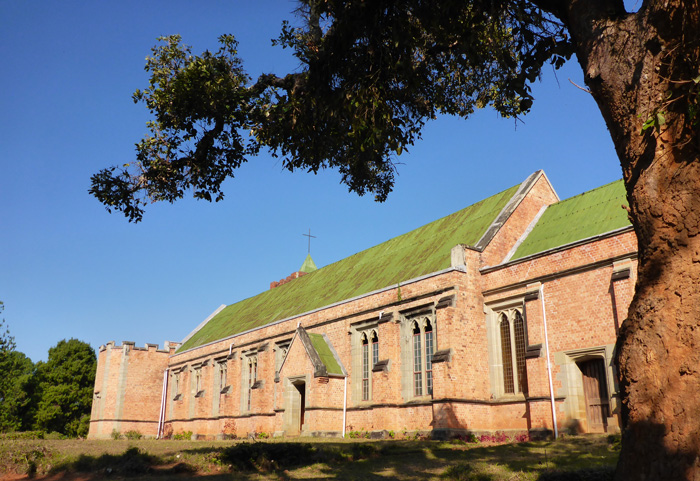
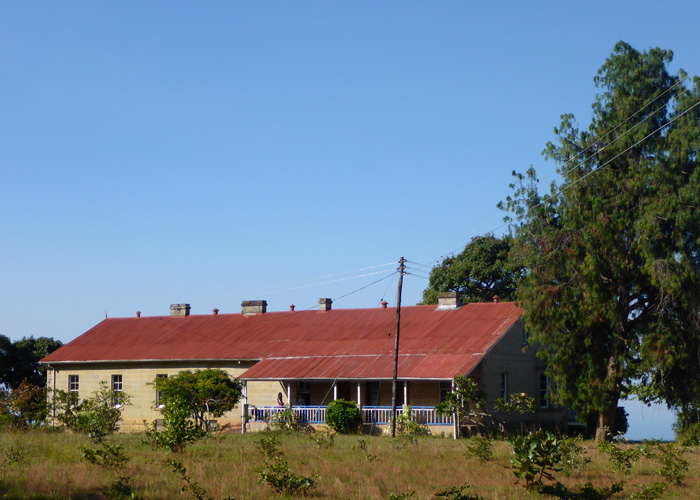
We visited Stone House Museum, the original home of Dr Laws, the museum tells the story of European arrival in Malawi, it is now a national monument and also has an accommodation wing. The nearby mission church, dating from 1894, has beautiful stained glass windows featuring David Livingstone with his medicine chest and two travel companions.
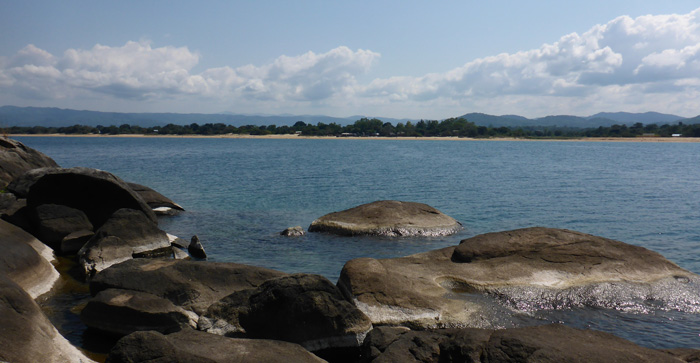
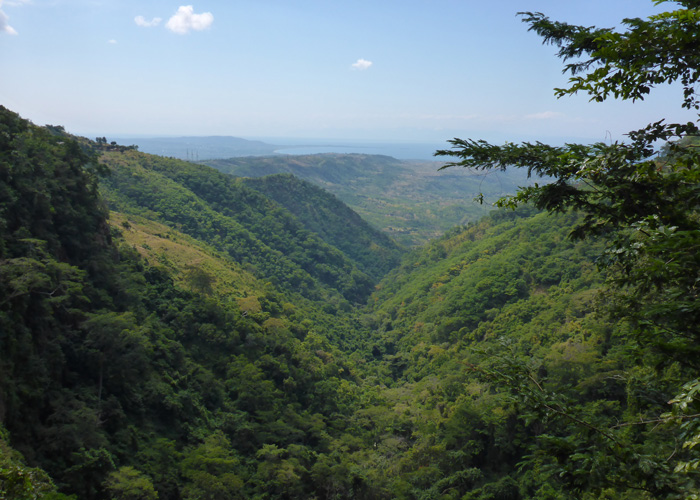
Kande Beach camp was right on the edge of Lake Malawi and there was a little island just off the shore, I took a swim to it to explore and get a view of the lake shore and surrounding hills, about 40 minute swim there and back. There were lots of water based activities available, like scuba diving, snorkelling, pedalos, sailing and canoeing.
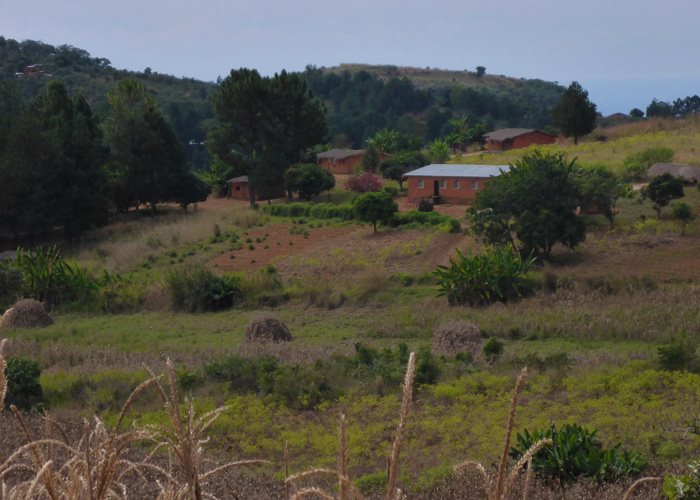
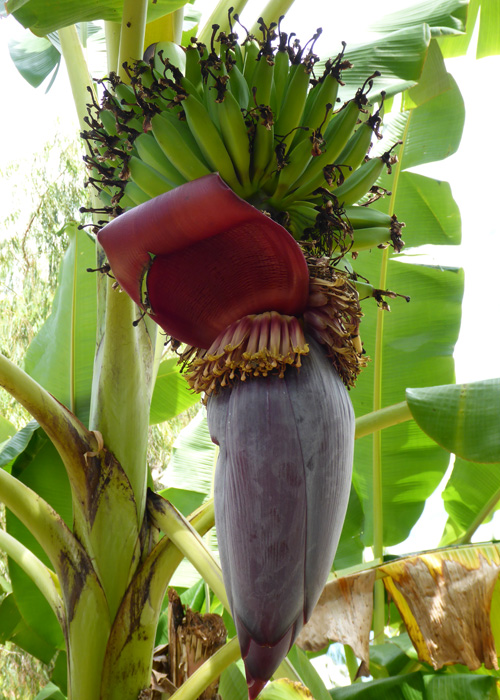
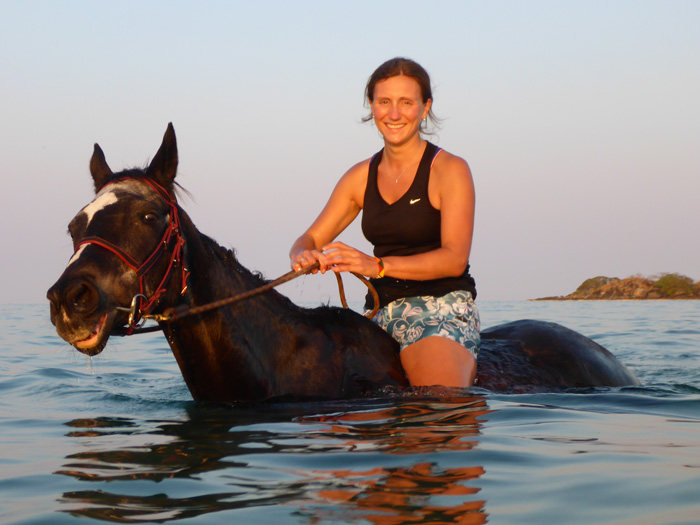
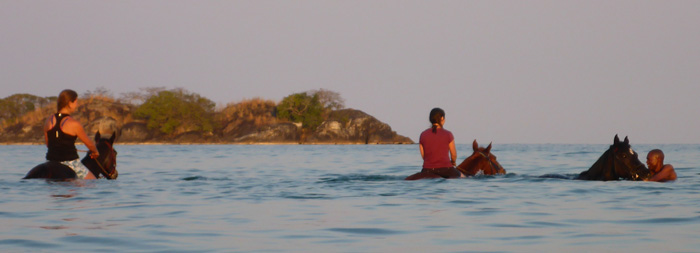
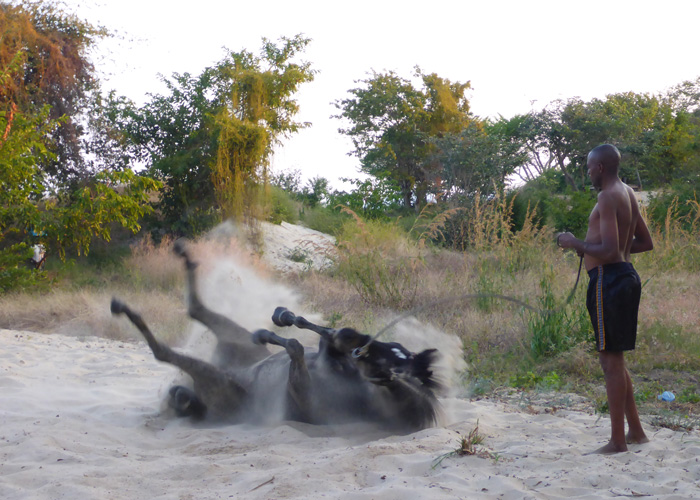
At Kande Beach I went for a 3 hour horse ride with Kande Horses, the stables were lovely and the horses well kept, run by a guy from Birmingham, UK, who has lived in Malawi for over 13 years. We went through the local villages and back into the forrest and farmlands. Most of the crops we saw growing were sweet potato, banana and cavasa, which is a root vegetable eaten by locals, it is dried and then ground into a flour which is then cooked with water into a thick porridge like meal. We ended our ride on the beach and went swimming with the horses, I have never done it before and it was great fun!

Stone Town and Kendwa Beach, Zanzibar
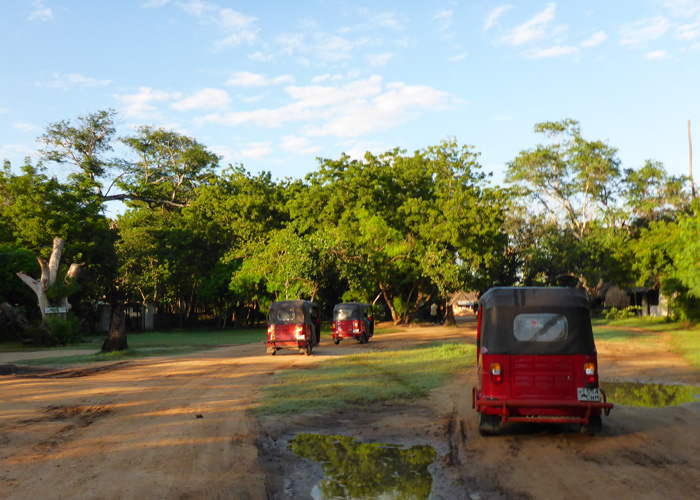
We left our camp just south of Dar es Salam in Tuktuks (a trike with a covered seat for two in the back) to head for the Zanzibar ferry, in what can only be described as whacky races!
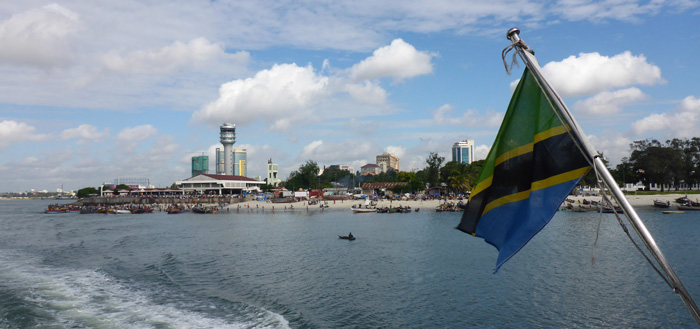
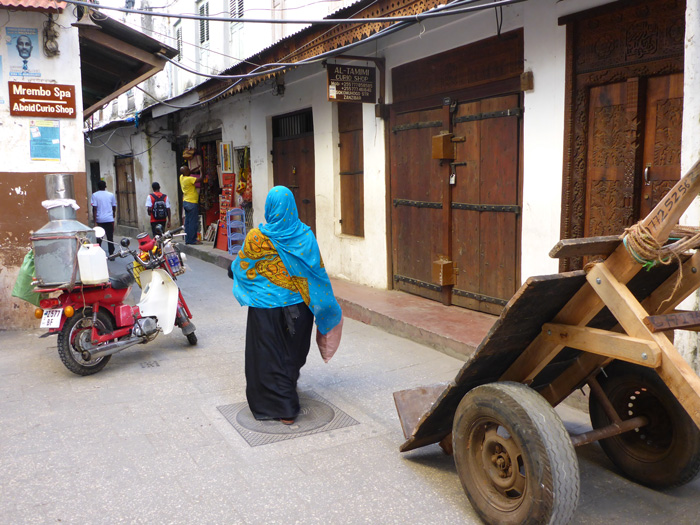
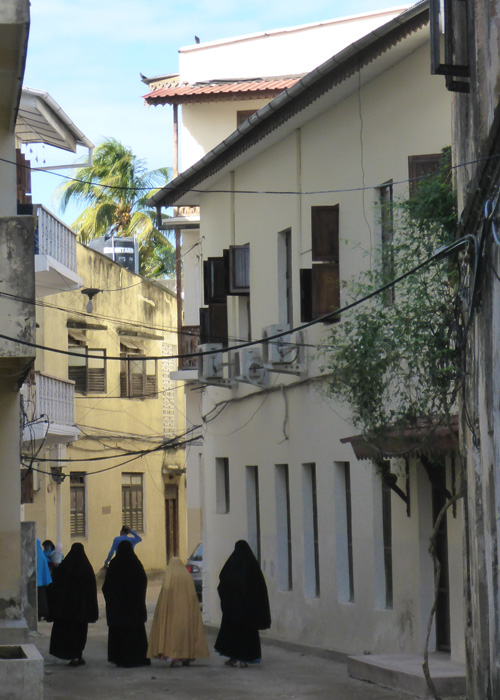
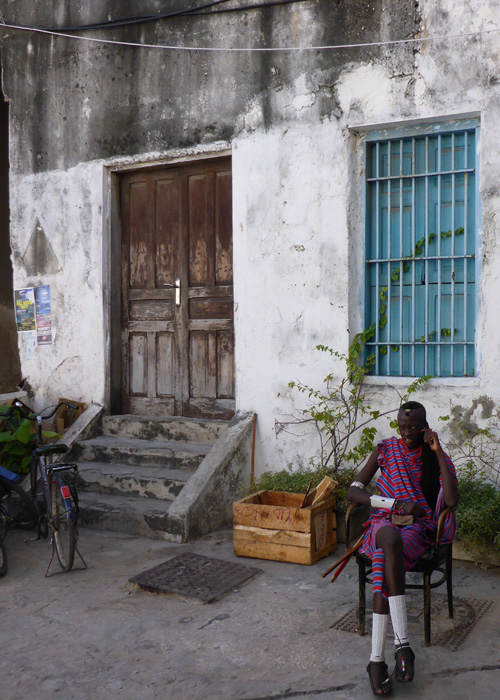
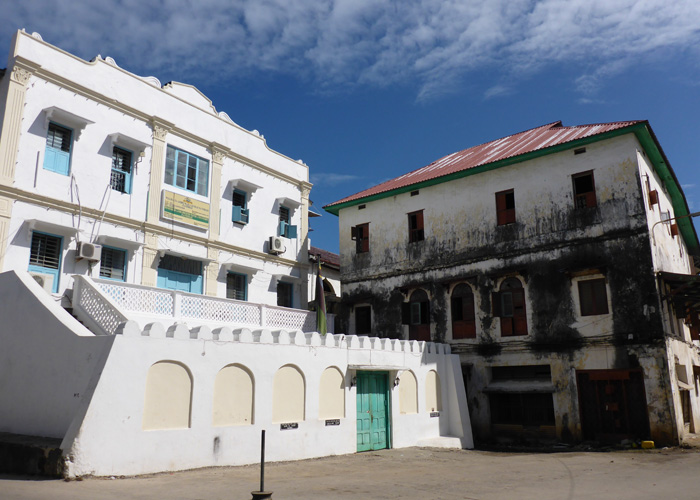
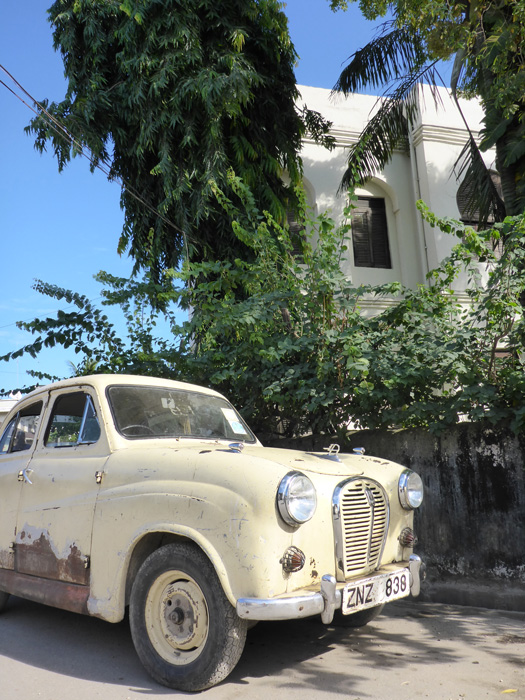
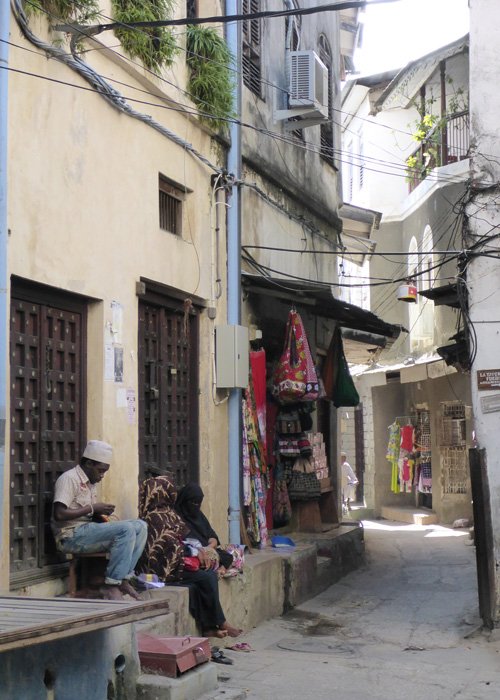
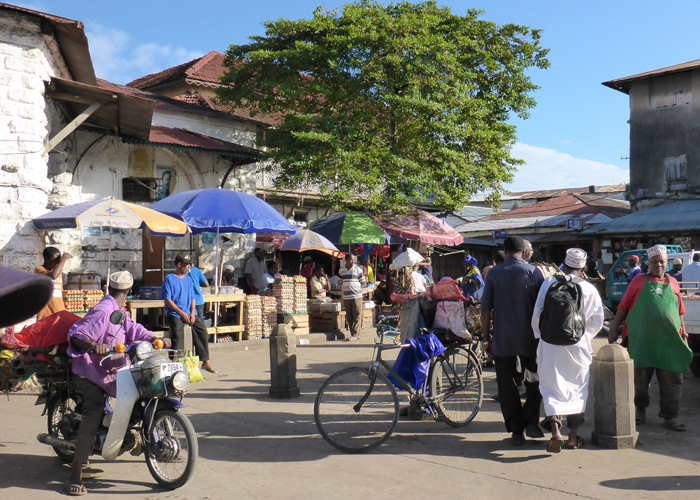
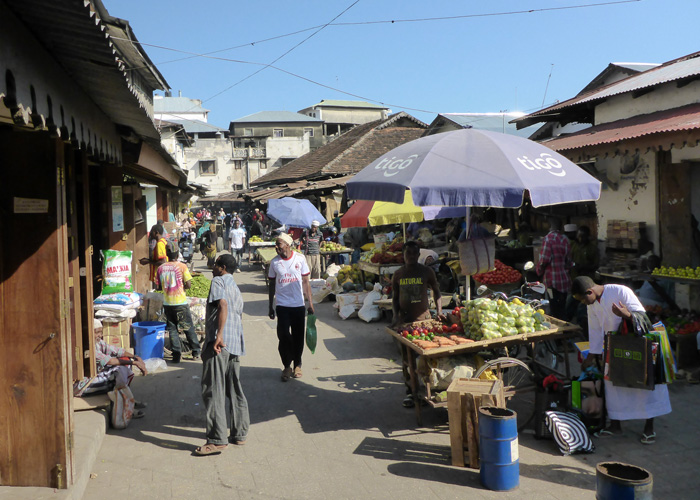
Zanzibar sits in the Indian Ocean just off the coast of Tanzania, a beautiful one and a half hour ferry ride from Dar es Salam, Tanzania’s capital city. We were staying at Safari Lodge in Stone Town, the old section of Zanzibar Town. Stone Town is made up of a maze of narrow winding streets and alley ways, lined with lots of curio shops selling clothes, material, jewellery and wooden carvings. It was very easy to spend hours wandering around visiting all the shops.
Zanzibar has a large Islamic population and it was the start of Ramadan when we arrived, meaning we could not eat or drink on the streets during the day and we had to be respectful of what we wore. Women had to wear trousers or a long skirt and make sure our shoulders were covered. In Stone Town, you could be arrested for eating or drinking in public during Ramadan, but it was a lot more relaxed when we got to Kendwa Beach on the North of the island. You could regularly hear the call to prayer echoing round the town from the many mosques.
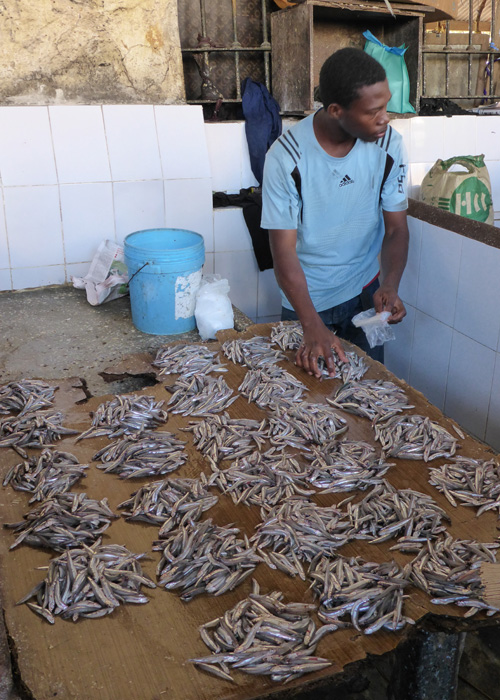
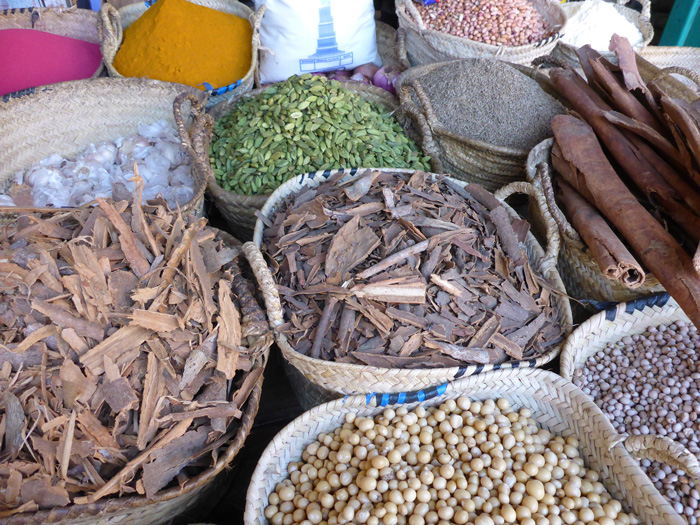
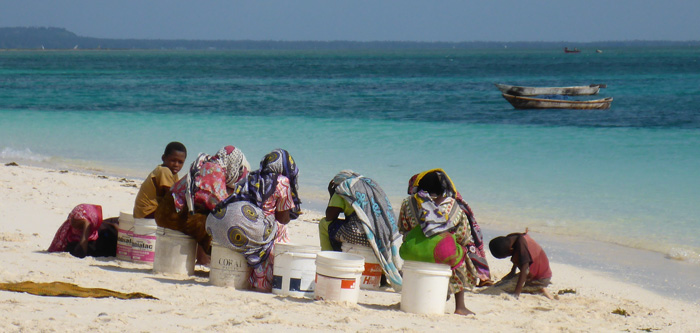
Every morning at the main Daranjani Market on Creek Road you would find the locals selling the daily catch in the fish hall, here you will also find the meat market, with entire carcasses for sale, a place to avoid if you get queasy at the sight of raw meat or have a sensitive nose! Behind the Daranjani Market hall is the spice market, selling all sorts of spices farmed on Zanzibar, there is not an overpowering smell of spices as you may expect, as a lot of them are packaged in small plastic bags, but you can still enjoy lots of different smells.
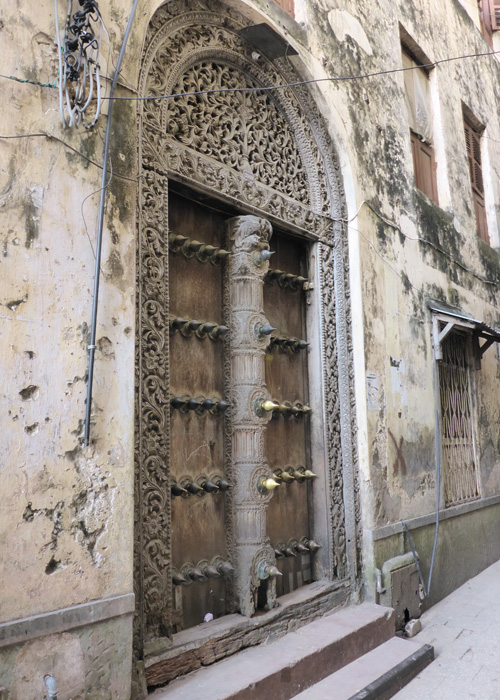
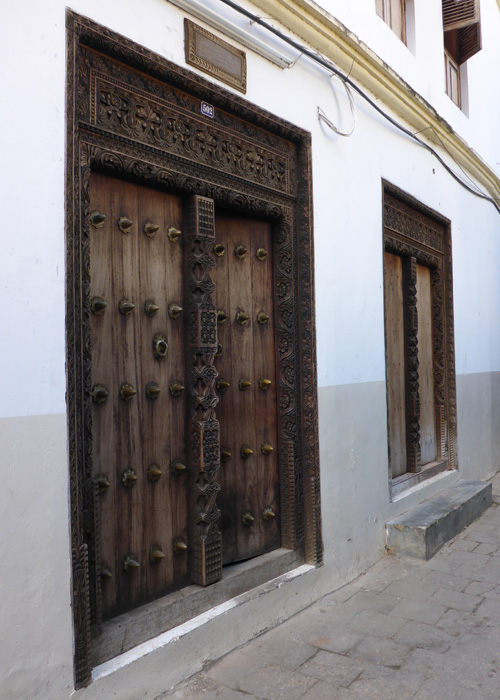
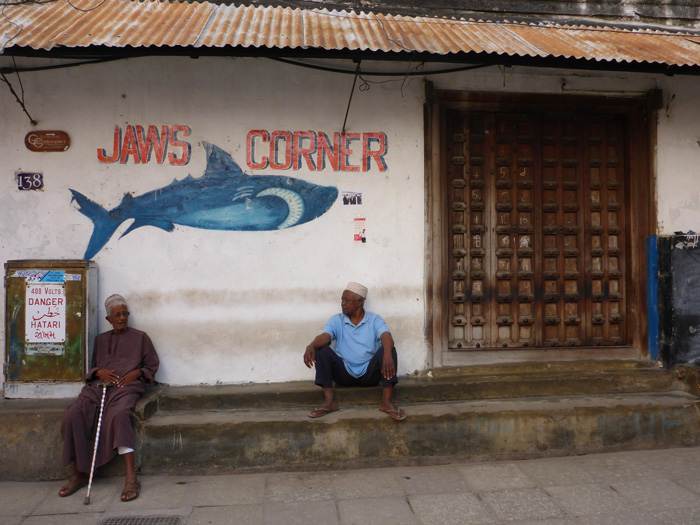
Stone Town is known for its elaborate carved doors, there are more than 500 still in Stone Town today, many are much older than the buildings they are set in. The door was often the first part of the house to be built and indicated the wealth and status of the family. Arabic doors have a square frame, while newer Indian influenced doors have an arch on top. Some of the doors have large metal spokes on them, this comes from the Indian influence and was to stop elephants battering down the door. A common feature around the streets of Stone Town is the “baraza”, a stone bench outside the front door facing onto the street, it serves as a meeting place for socialising.
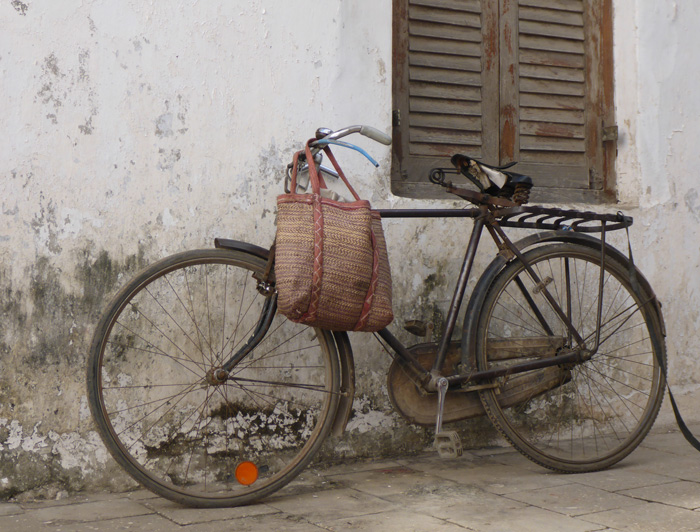
Despite there not being many cars in the narrow winding streets of Stone Town, you had to be careful not to be mowed down by a passing scooter, bicycle or cart of which there were lots!
Zanzibar has a history of being a major port for slave trading back in the 19th century, from as many as 10,000 to 50,000 slaves were passing through every year. Close to 600,000 slaves passed through between 1830 and 1873, when a treaty with Britain ended the trade. We visited an Anglican Cathedral which now sits on the site of the Old Slave Market, beside which there is a memorial.
Zanzibar is well known for its spices, with plantations scattered across the island, but they no longer dominate the economy. We visited a plantation and where shown lots of plants from which spices come from, which was very interesting. Zanzibar still produces cloves, black pepper, cardamon, cinnamon and nutmeg, also breadfruit, jackfruit, vanilla and lemongrass.
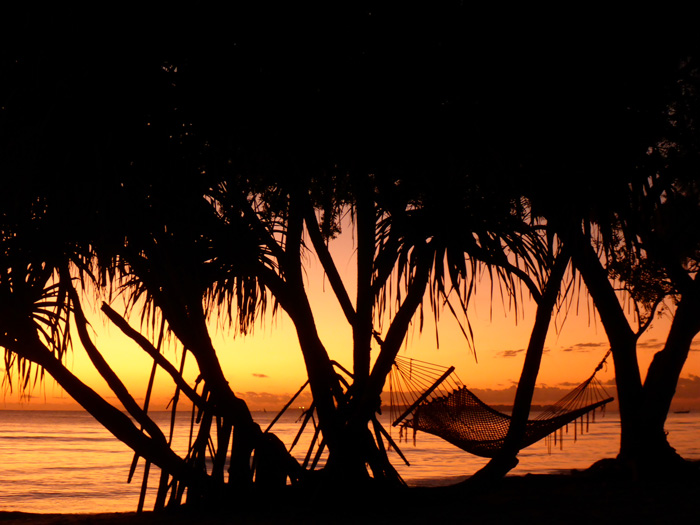

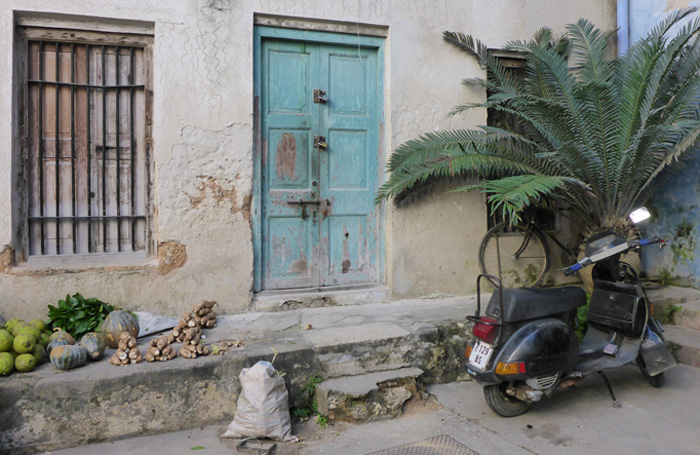
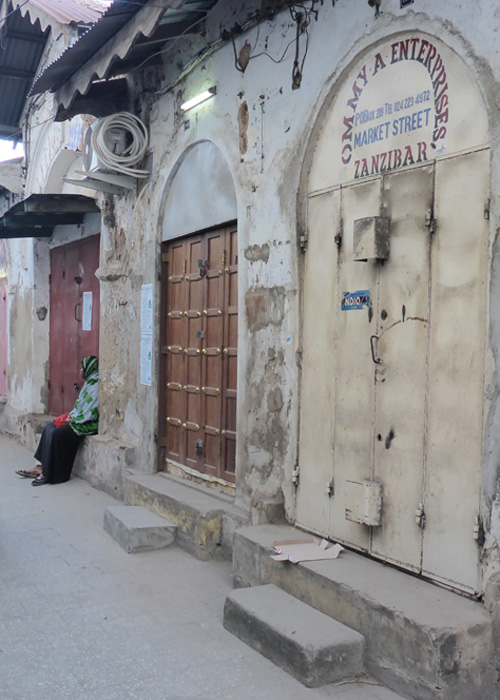
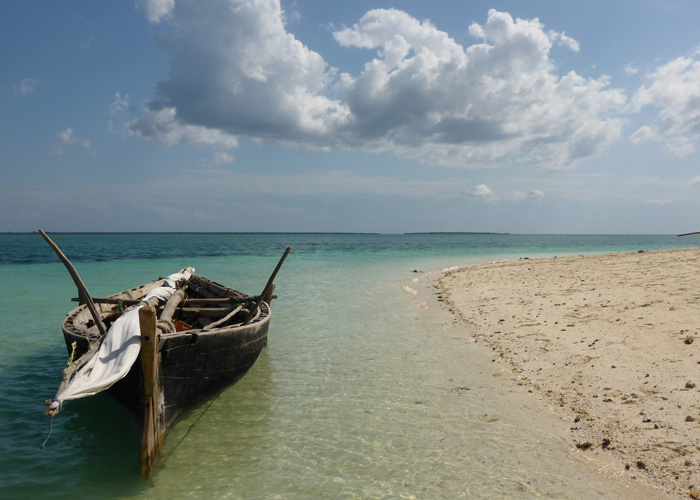
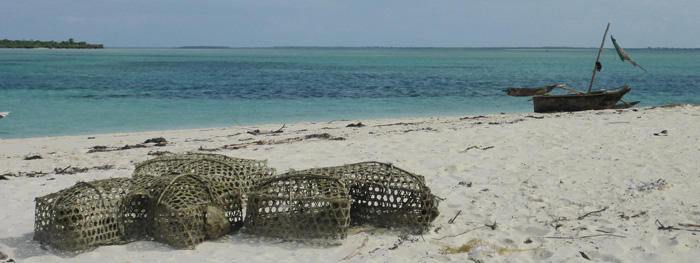
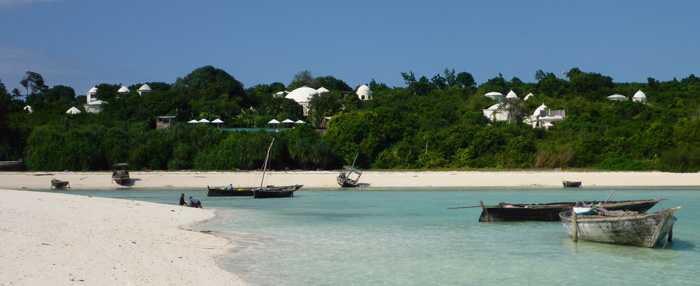
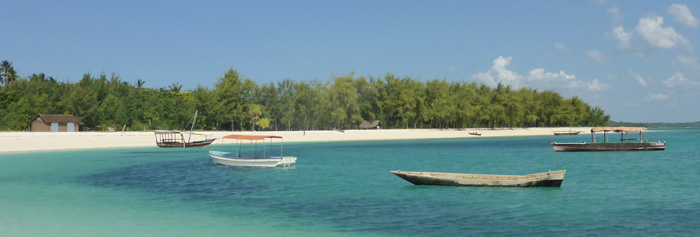
After a day in Stone Town we headed North to Kendwa Beach, where we stayed at Sunset Bungalows. Based right on the beach front, it was a two minute walk to the white sand beaches and turquoise waters of the Indian Ocean.
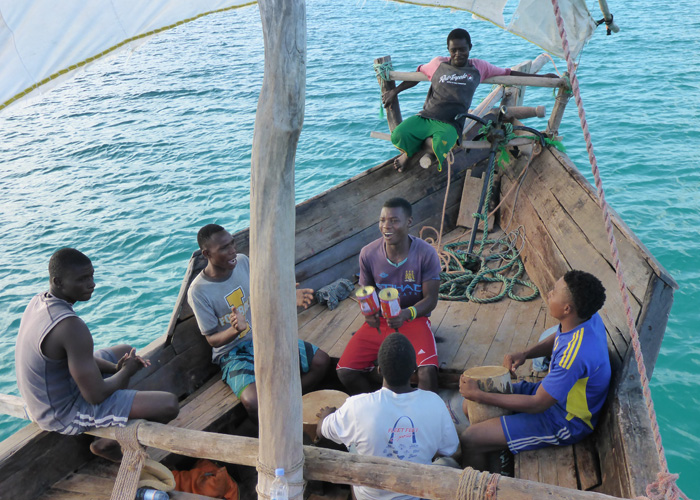
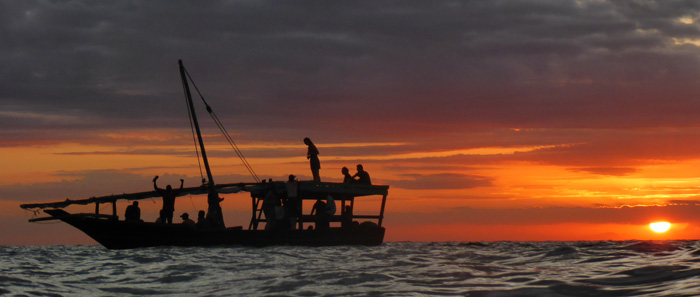
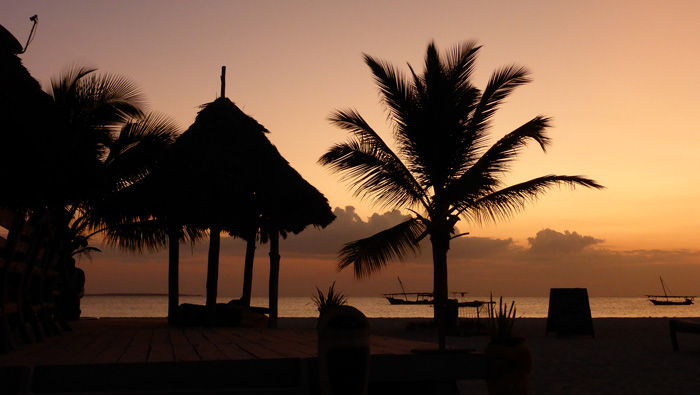
We took a relaxing sunset cruise on a traditional Dhow along the coast, while listening to the crew singing “Jambo Bwana” and other African songs, as they played on drums and with maracas made from old tin cans on sticks.
Kendwa was a time to relax, swim in the warm ocean and take long walks along the beautiful long beaches.
Serengeti National Park and Ngorongoro Crater Conservation Area
- On June 25, 2014
- By victoria
- In Africa, Tanzania
- 0
We went on safari with Green Bee Eaters, our driver Dio was very knowledgable about the local areas and kept providing us with useful information throughout our trip.
We were picked up early from Maasai Camp in Arusha. The Arusha region has a population of 1,000,000, the second largest in population after Dar es Salam, Tanzania’s capital. It’s main tribe is the Meru after nearby Mount Meru, and then Maasai, these are two of the over 100 tribes in Tanzania. The two main religions in the area are Christian at around 60% and Islamic. The Arusha region relies mostly on agriculture and exports a lot of it’s produce overseas, either through Nairobi or Dar es Salam.
En route to the Serengeti We drove through Kisongo just outside of Arusha which was bustling with locals, it hosts a Maasai market a few days a week, where the Maasai bring cattle for sale and trade. Driving on to Makuyuni where we turned right and onwards through Mto wa Mbu and Karatu and past Lake Manyara National Park. The landscape was lush, green and hilly, with fields growing corn, coffee and sunflowers. We drove over the great Rift Valley, which stretches from the Red Sea to Mozambique. All along the way there were lots of curio stalls selling the usual crafts and jewellery, and loads of canvas paintings which I hadn’t seen in Kenya, the paintings were beautiful!.
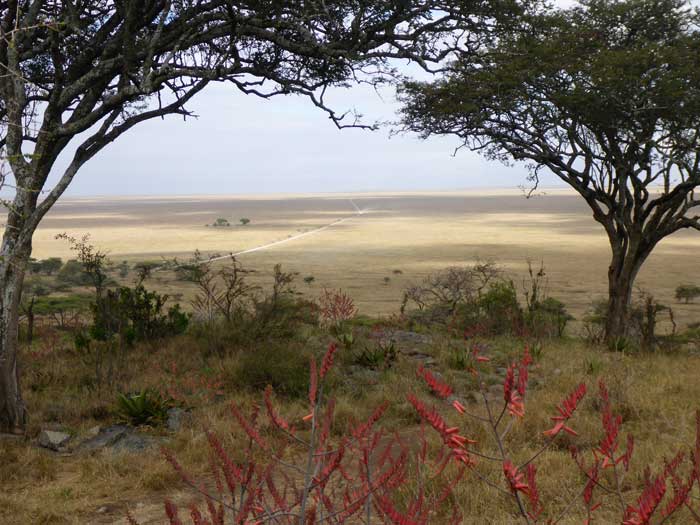
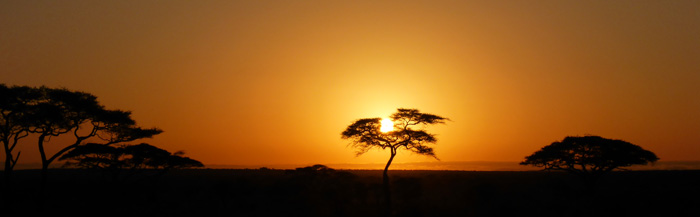
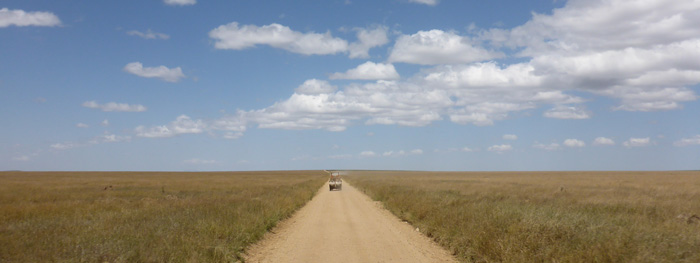
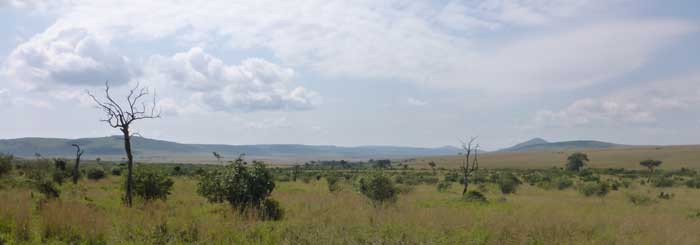
When we entered the Ngorongoro Conservation Area it was like stepping into the jungle, due to the rainy weather we were driving through the clouds, very atmospheric. The road was stones and red mud. Once we rounded the crater to the west and the Serengeti, the clouds starts to lift and the rains stopped. The difference in the landscape was clearly noticeable, from lush forests to dry plains, covered by whistling Acacia bushes and Acacia trees, almost in the blink of an eye. This is caused by what is locally called a “rain shadow” the warm air from the Indian Ocean hitting the mountains and rising up, causing clouds, and rain to fall.
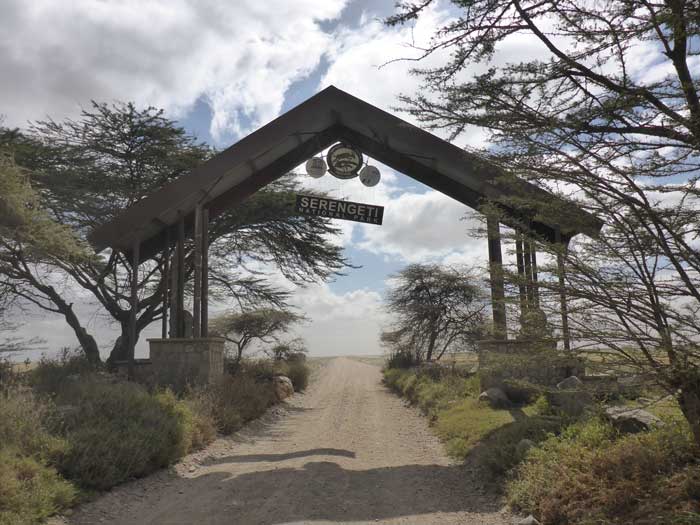
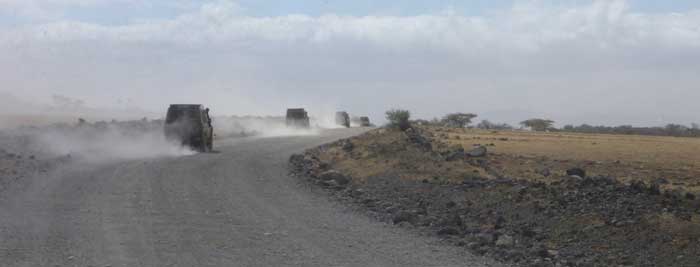
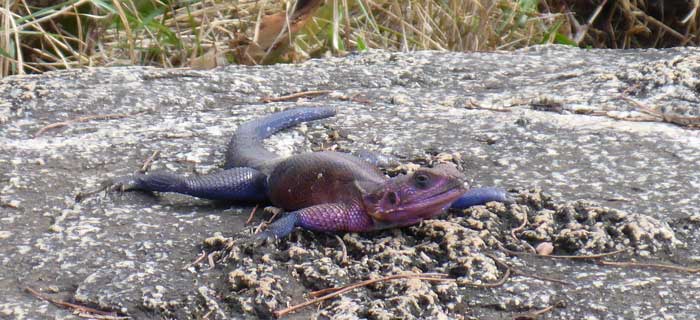
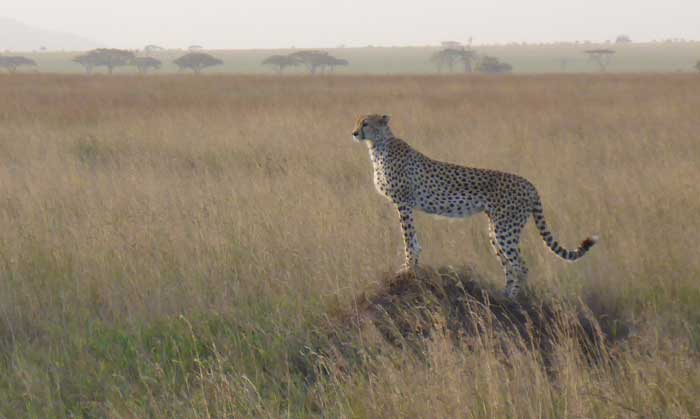
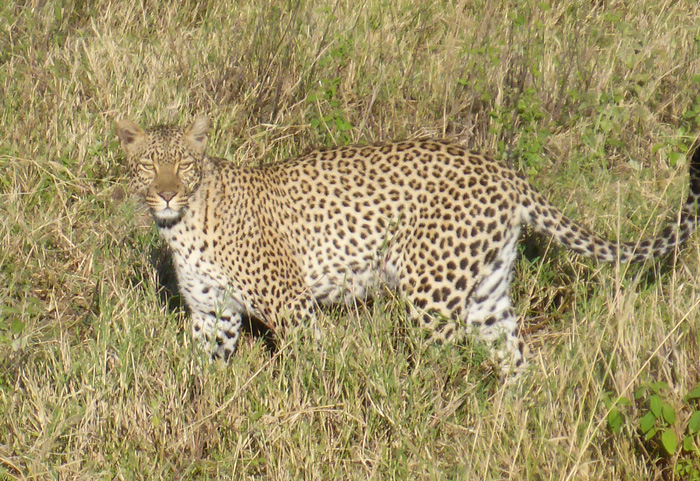
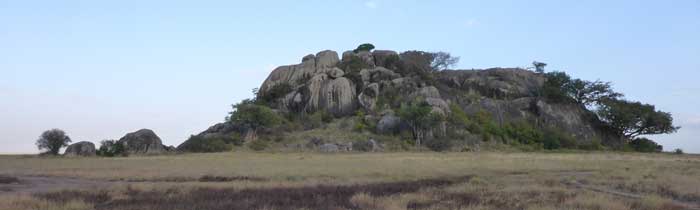
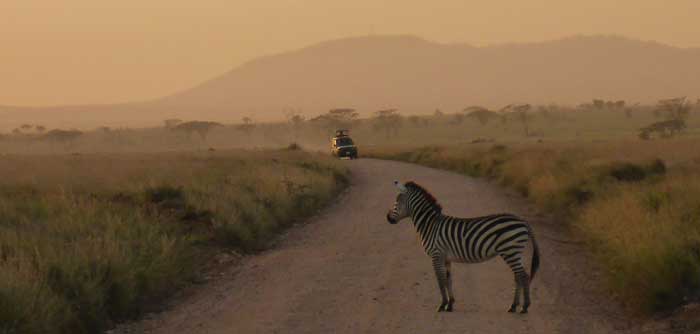
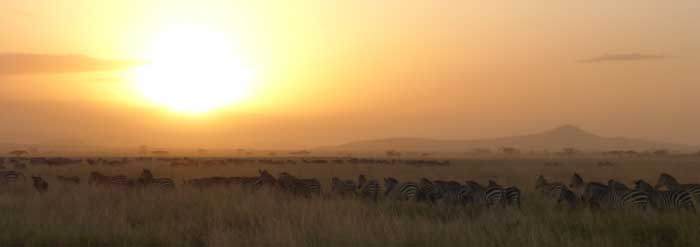
The road from the crater to the Serengeti was rough, bumpy and very dusty, but great fun! The Serengeti gate was just a gate in the middle of nowhere, but full of character. Once we got into the park we got to see a pride of fifteen lionesses and cubs relaxing in the long grass beside a watering hole. The landscape was very flat, but there were a few rocky volcanic outcrops dotted around, these are the best places to see lions. We were very lucky to see a Cheetah wandering along beside the road. We saw lots of zebra and wildebeest herds, most likely heading to the Maasai Mara on their yearly migration, the zebra lead the wildebeest in the migration.
We stayed at a basic camp in the Serengeti called Tumbilu, zebra and wildebeest were wandering about outside our tents all night long and we could easily hear their calls to one another.
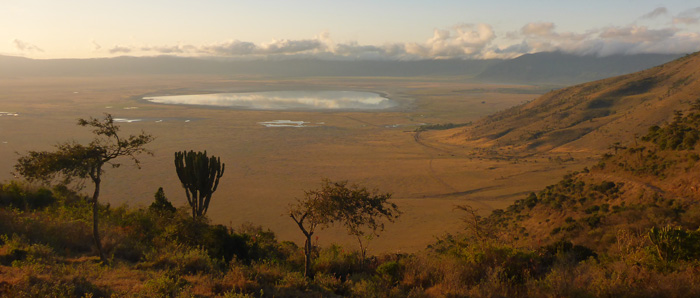
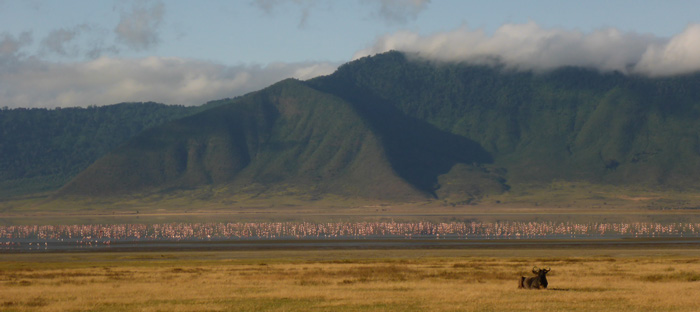
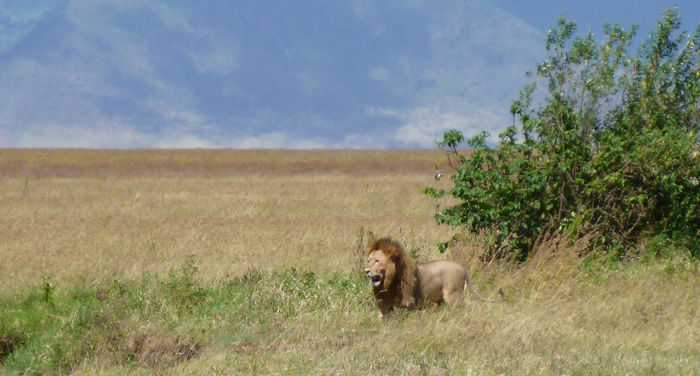
We stayed at Simba Cmp on the crater rim and drove into the creator early in the morning. There were lots of flamingos feeding in the lake, with herds of zebra and wildebeest on the the lake shores. After a few hours in the crater we saw a male lion stalking an injured lone buffalo, we didn’t see a kill, but the buffalo’s days were definitely numbered. Then we saw three male lions pursuing a female lion, they were so close to our trucks it was amazing to be able to see them in so much detail.
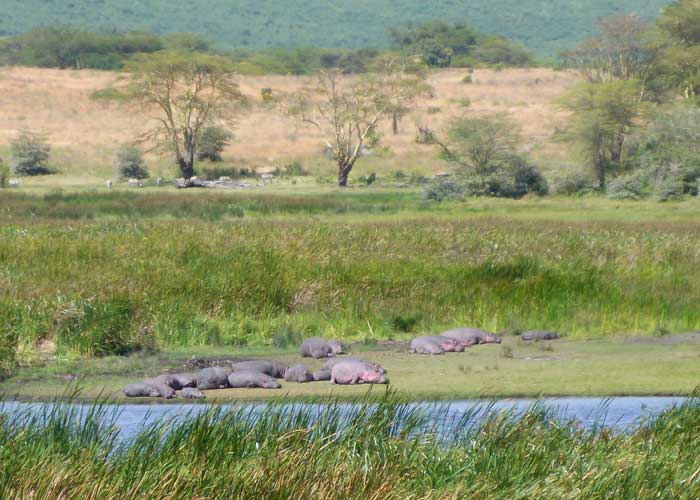
The Ngorongoro Crater is 260 sq km, with a depth of 610m and diameter of 19km and 23km. Ngorongoro means big hole in Maasai. The lake inside the crater is called Lake Magadi and is home to flocks of flamingo. The crater was created by the collapsing of a mountain bigger than Kilimanjaro. The difference between the Serengeti National Park and Ngorongoro Conservation Area is that people can live in the conservation area but not in the park. 8000 Maasai live in the conservation area, but are not allowed inside the crater.

Visiting the Maasai Mara National Reserve
- On June 22, 2014
- By victoria
- In Africa, Kenya
- 0
We drove from Lake Naivasha to the Maasai Mara National Reserve via a town called Narok, the roads were pretty good and we got to the park in the early afternoon.
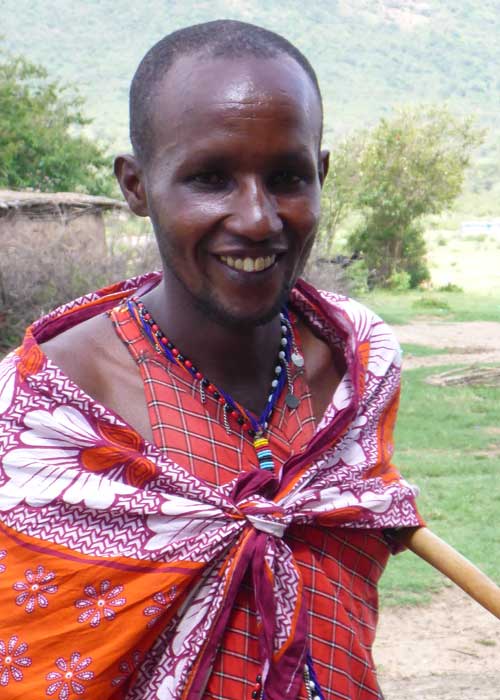
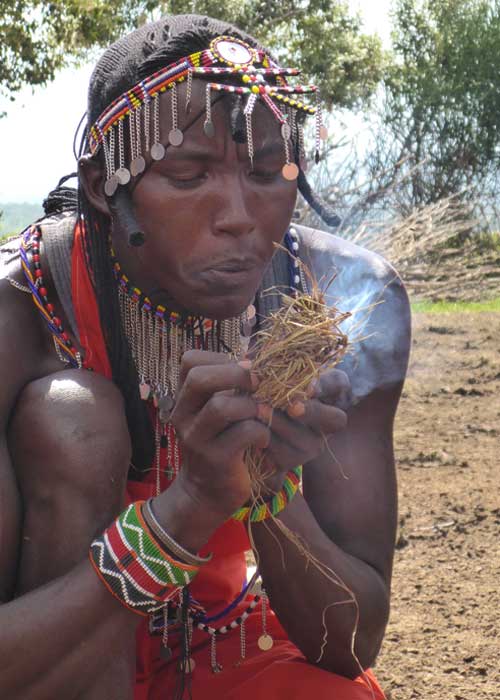
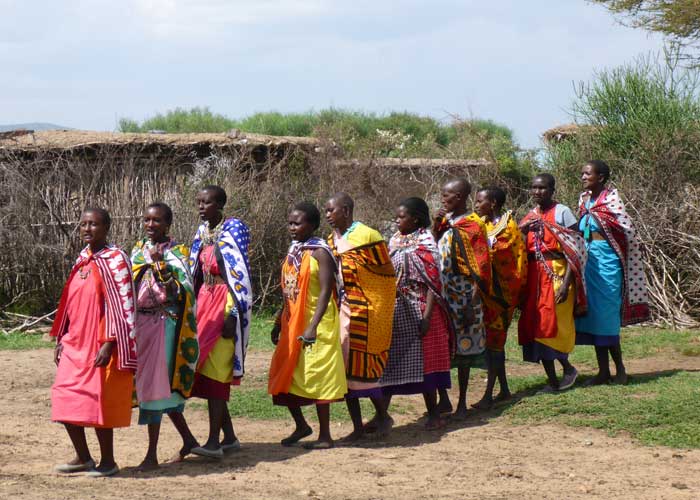
En route we visited a Maasai enkang (village) just outside the park, the local men were dressed in their traditional Maasai Shuka’s, Kanga’s and beaded jewellery and head ware. The head of the village talked to us about life in the enkang and then we were welcomed by the men with a Maasai welcome dance, where jumping as high as you con shows off your prowess in the tribe. Then the ladies of the village came out dancing and singing in a line and took our hands one by one and led us all, dancing, into the enkang.
The women are responsible for building the huts, caring for the children, collecting water every day and cooking. The men build the fences and walls round the enkang and tend the cattle, sheep and goats on the land.
We were shown round the mud huts and told how they were built, by using sticks as the main structure, with grasses, mud and cow dung to make the walls, the roof was made with sticks and grass, but there is also tarpaulin used to add to the waterproofing. Inside was very dark, with only a few windows. There was a room to keep the young animals in at night then a main living area with a ire for cooking in the centre, at each side there was a bedroom, one for mothers to sleep with the girl children and one for the men to sleep with the boy children. Once a child hits 13 years old, they go and stay with their grandparents.
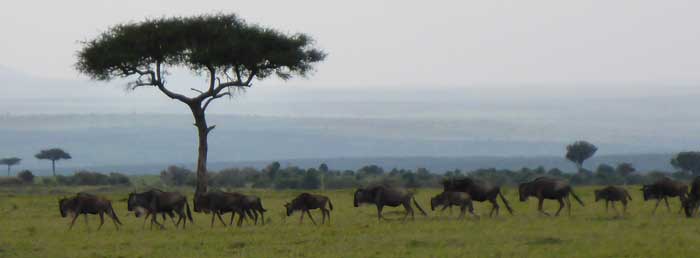
We entered the Maasai Mara through the Sekenani gate at the North/West, called the Sekenani sector of the park. As soon as we were in the park we saw herds of Wildebeest and Zebra, the migration had already started, where they travel to the Mara from the Serengeti and would continue to do so for a couple of weeks. The weather had clouded over a bit, but this made for a very atmospheric start to our two days of game drives. The Maasai Mara is 1510 square kilometres and sits right up against the border between Kenya and Tanzania and is an extension of the even larger Serengeti in Tanzania.
There were maybe another 15 safari vehicles that we saw, you could always tell when one of them had spotted an animal as they would gather round it. There was supposed to be a limit of 5 vehicles viewing an animal at once, this was stretched a little, but when another vehicle showed up, the first there moved away. You weren’t allowed to get too close to the animals or harass them. There was a main grit road through the park and a few side roads, but going “off road” wasn’t allowed and the driver would get a hefty fine if caught doing so.
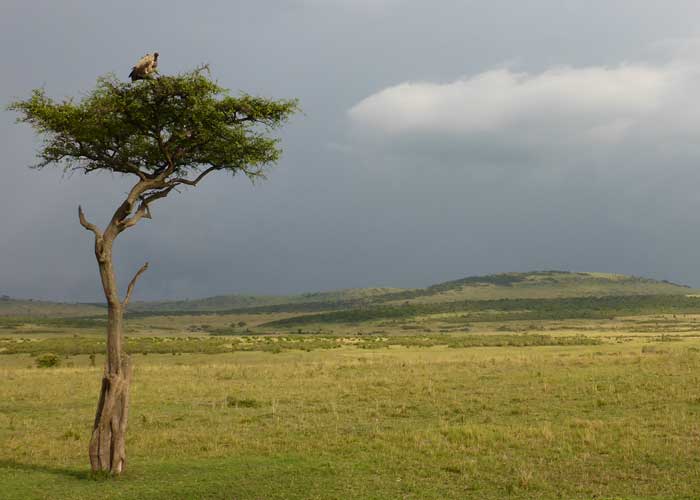
We saw two lionesses lazing in the grass beside some rocks and bushes, then we noticed a wildebeest caracas hidden in the bushes. We watched for a while and one of the lionesses headed to the buses and started eating the wildebeest, we could see her pulling at the caracas and ripping it apart, we were so close you could hear her chewing. We saw a number of vultures soaring overhead, sitting in trees and some scavenging off the caracas of a wildebeest.
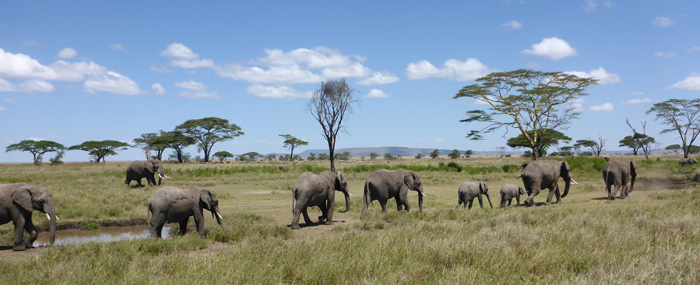
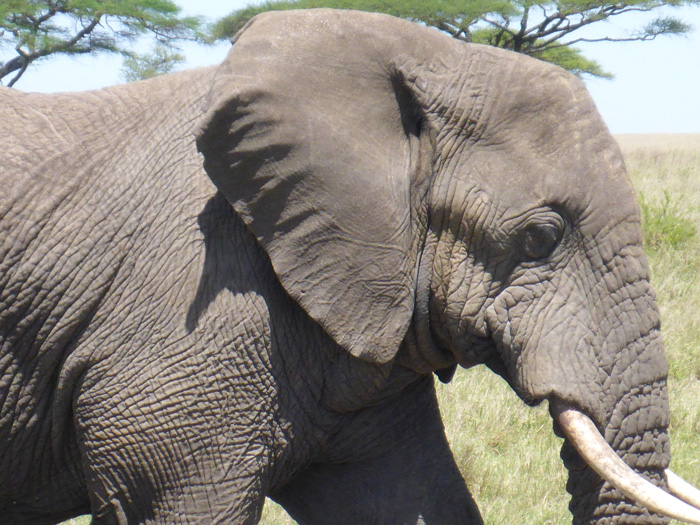
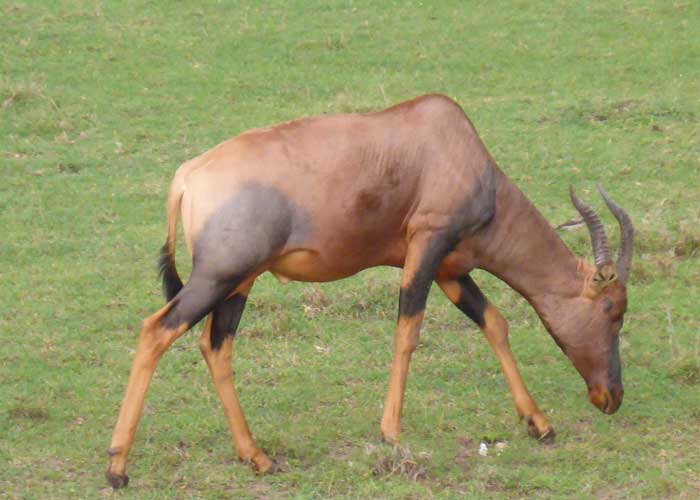
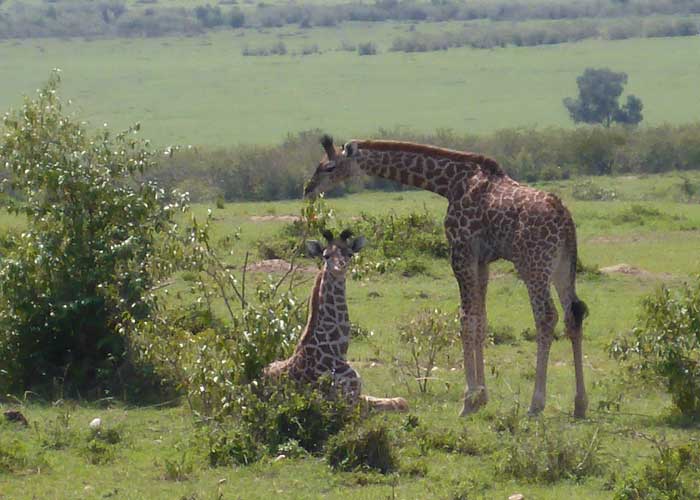
We stopped to watch a couple of elephant herds wander past, they were a couple of hundred meters away from the road, we saw a few ostrich pairs and lots of giraffes eating feeding on the Acacia trees, we saw quite a few young giraffes. There were lots of gazelle, antelope and a few Topi.
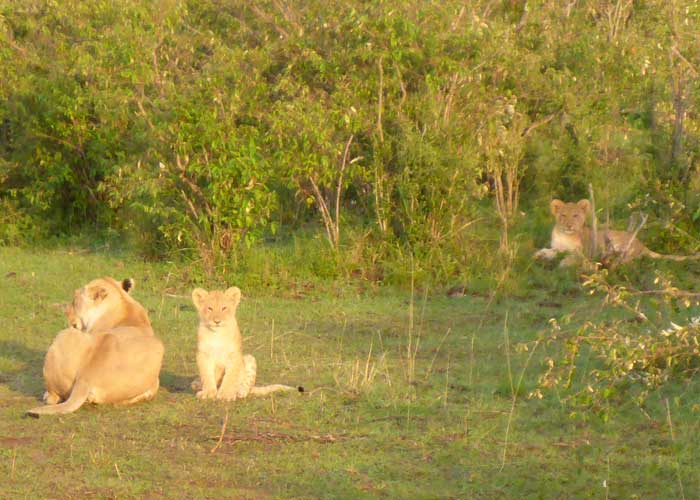
We stayed in the Aruba Mara Camp for a couple of nights, it was a nice camp at the Talek gate. On our last morning game drive we didn’t see much as it was raining, but once the rain stopped we saw two lionesses relaxing while their two cubs played together in a small clearing amongst the bushes.





I grew up in Nyeri...not too far from Nanyuki. Fond memories. You've described Nanyuki pretty accurately. Glad you enjoyed your…
Hallo.i have reading now ur article. I live 9 years in Nanyuki and like this life and the ppl. Welcome…
Thank you! Glad you enjoyed it and found it useful. I enjoyed the few months I stayed in Nanyuki last…
Hey Mzungu lassie? Very informative info about Nanyuki and the surrounding areas. I've been there once (for a day) and…
Brilliant pics, You must sleep well, whizzing around on quad bikes up & down the dunes and sand boarding.