
Victoria Falls, Zimbabwe
- On July 21, 2014
- By victoria
- In Africa, Zimbabwe
 0
0
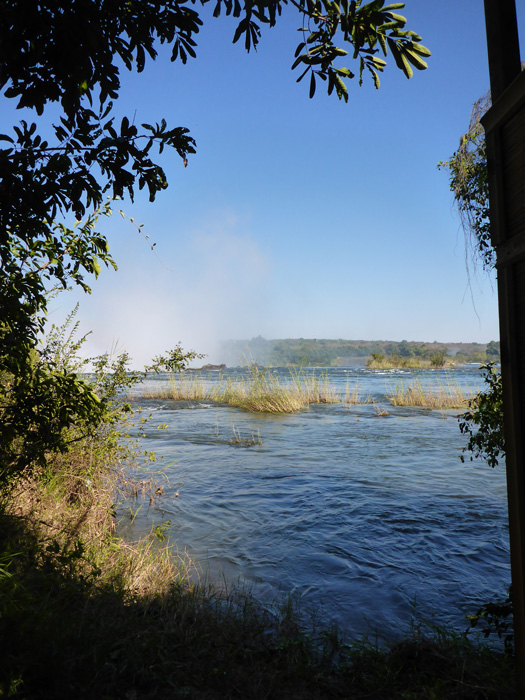
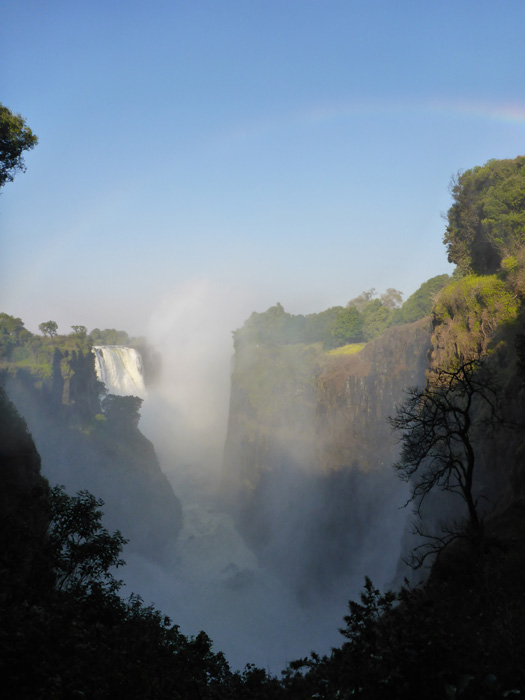
On approach to Victoria falls I could see the plume of mist rising from the falls and smell the moisture in the air, which, up till then had been very dry an dusty, I could also hear the sound of the thundering water. The falls sit right on the border of Zimbabwe and Zambia, we were camping at Shoestrings Backpackers in the town of Victoria Falls on the Zimbabwean side.
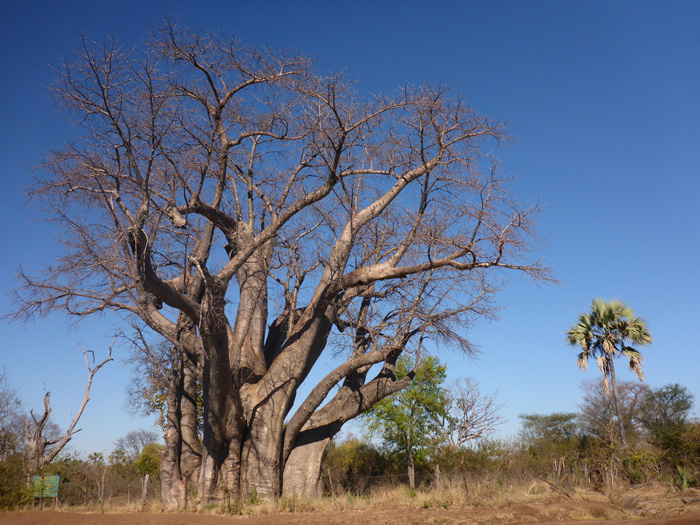
When we first arrived we visited the “big tree” which is a huge, old Baobab tree, measuring 18m in girth and 25m in height and between 1000 and 15000 years old.
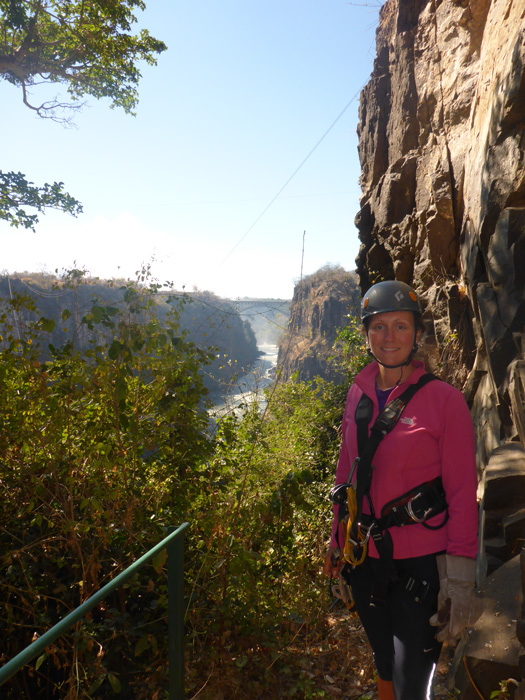
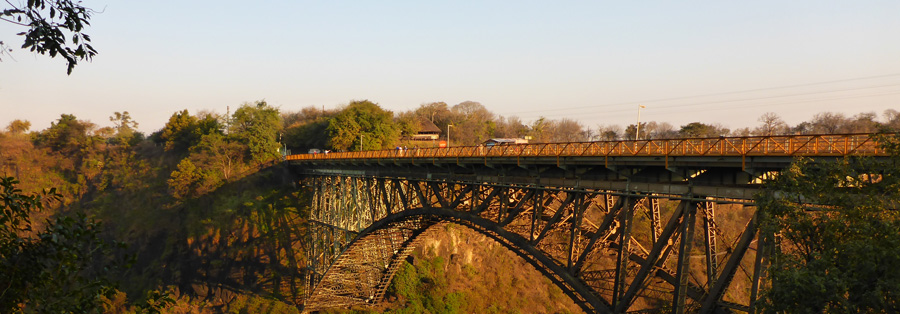
On our first day we were collected by Wild Horizons to do a Canopy Tour. This consisted of 9 zip lines criss-crossing the gorge, the longest was about 85 meters, they were connected by wooden walk ways and steps. It was great fun and gave good views of the Zambezi River (second and third gorge) and the Victoria Falls bridge connecting Zimbabwe with Zambia. You could also see other people doing the flying fox, big zip line, gorge swing and bungee jump from the bridge.
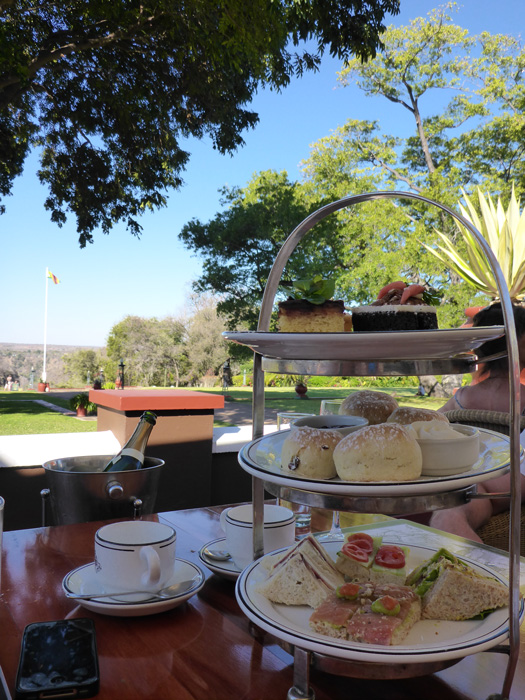
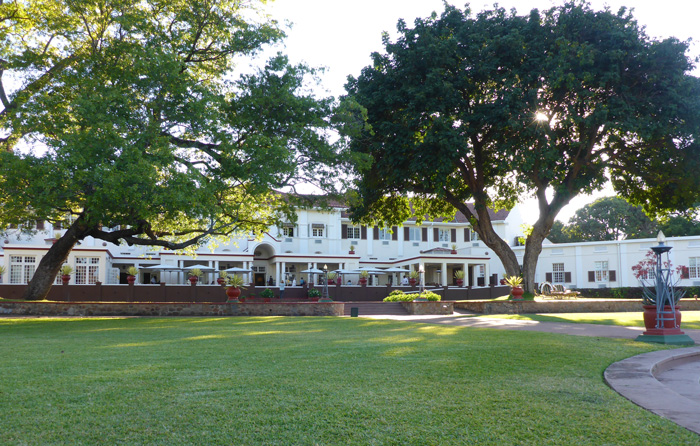
We visited the Victoria Falls Hotel which was built in 1904 and is the oldest in Zimbabwe. The hotel sits just above where I did the canopy tour, and had a great view up the river to the bridge, and beyond you could see the plume of mist rising from the falls, it is a beautiful building, with manicured lawns, a roaming warthog and a veranda where we had afternoon tea.
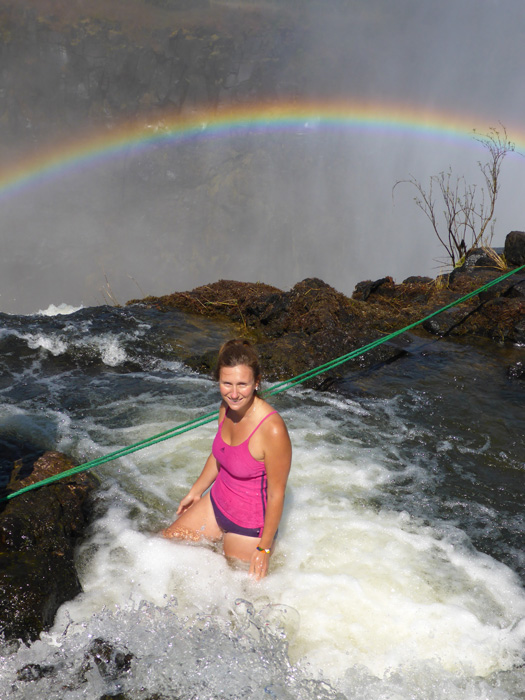
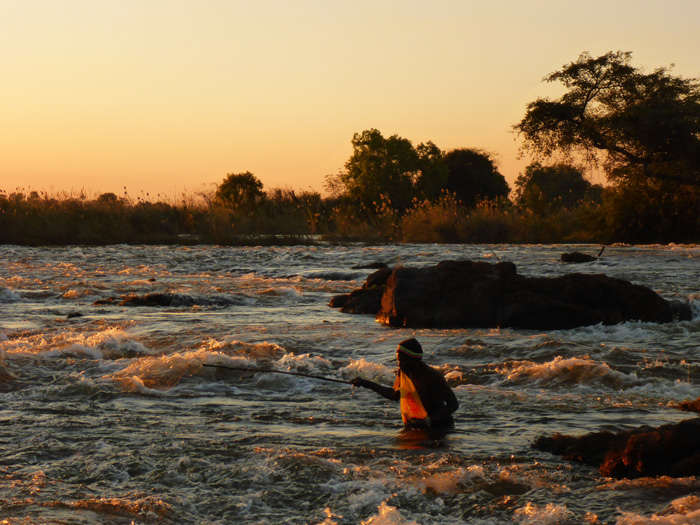
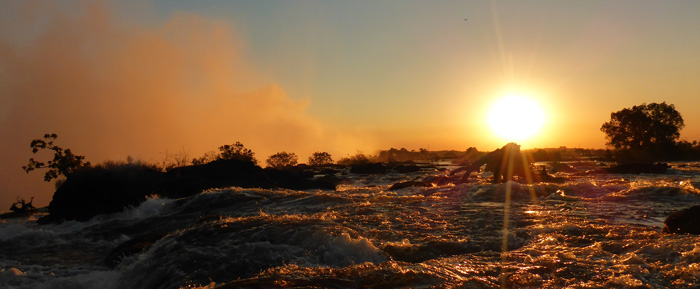
From Victoria Falls, we walked over the bridge and through the border controls to the Royal Livingston Hotel, from here we took a short boat ride across to Livingstone Island, this is where Dr David Livingston first viewed the falls from in 1855 while on his boat journey down the Zambezi River. We visited Angels Pools, which sit right on top of the falls, with a 108m drop over the edge, the current in the pools was quite strong, there were a couple of ropes to hang onto if you wanted, but our guide just stood quite happily right on the edge! Normally we would have visited the Devils Pools, but he water level was too high. After the pools we had breakfast on the island and visited the “loo with a view”, which looked right out over the rapids approaching the falls.
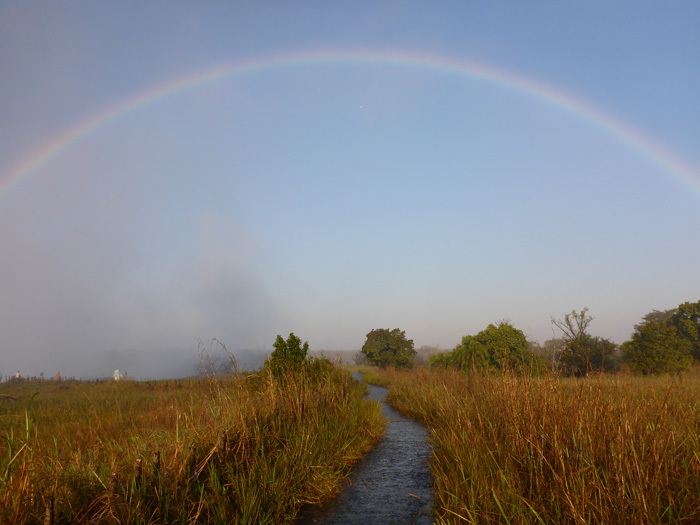
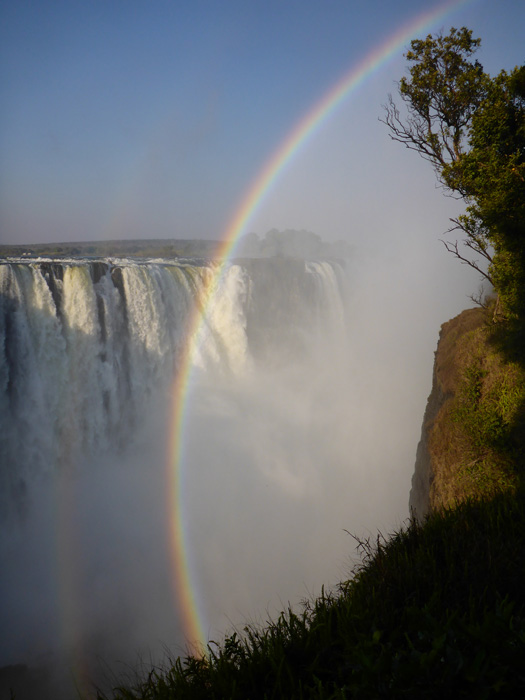
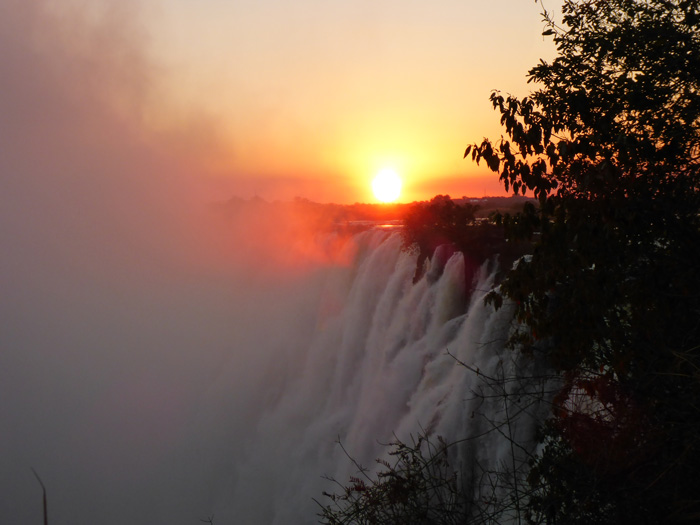
I visited both parks, Mosi-ou-Tunya (the smoke that thunders) National Park in Zambia and Victoria Falls National Park in Zimbabwe, the first thing you notice is the noise of the falls, one million litres of water go over the falls every second! The paths go right along the edge of the falls, the views are amazing (when the mist isn’t too heavy), you could see right over the edge and over to the Angels Pools on Livingstone Island. I got drenched by the spray from the falls in both parks, but the rainbows were very pretty and almost went round on themselves.
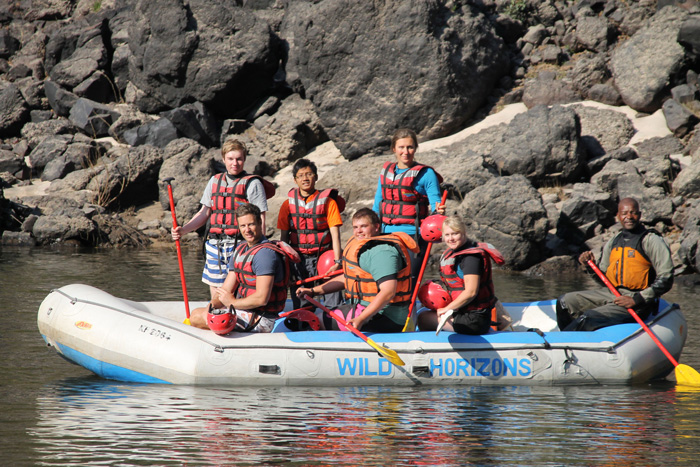
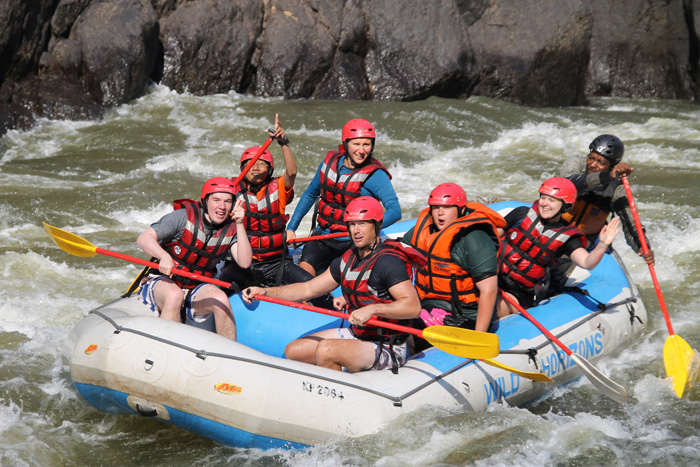
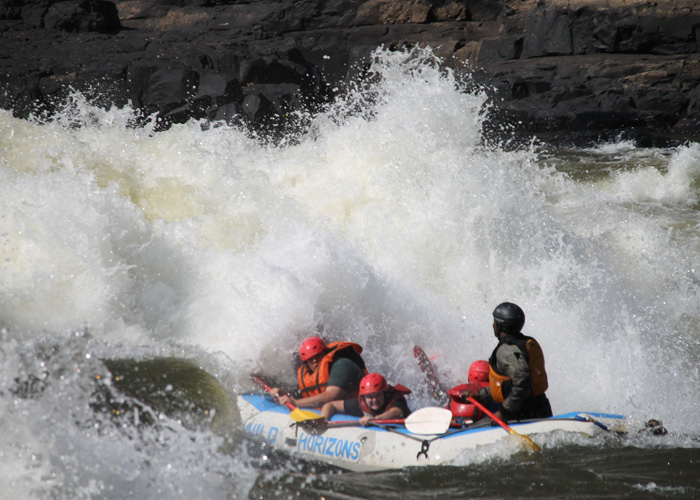
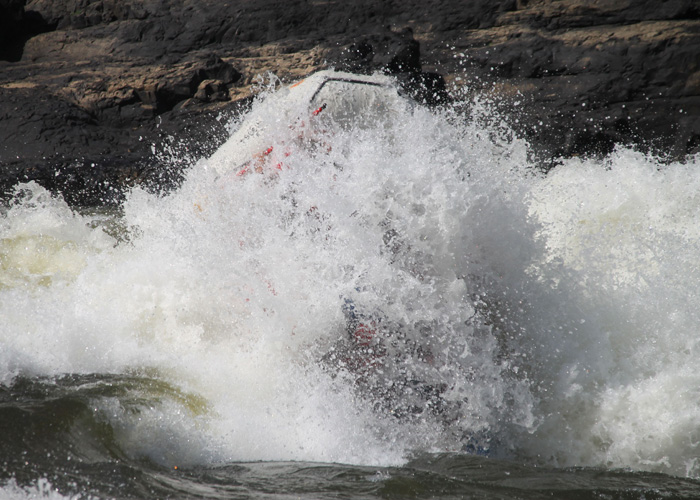
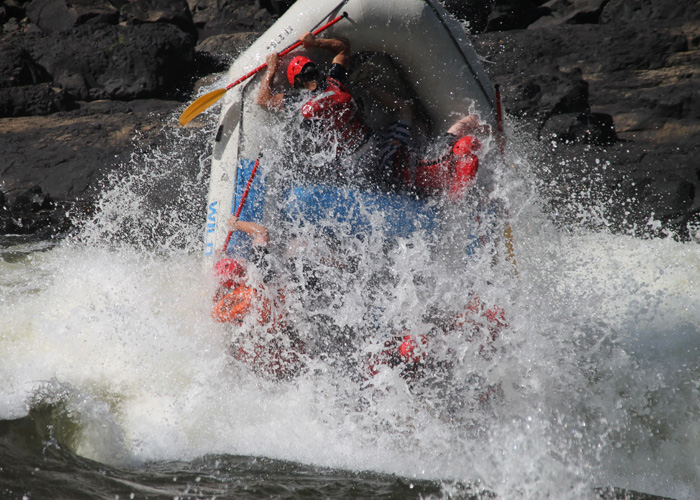
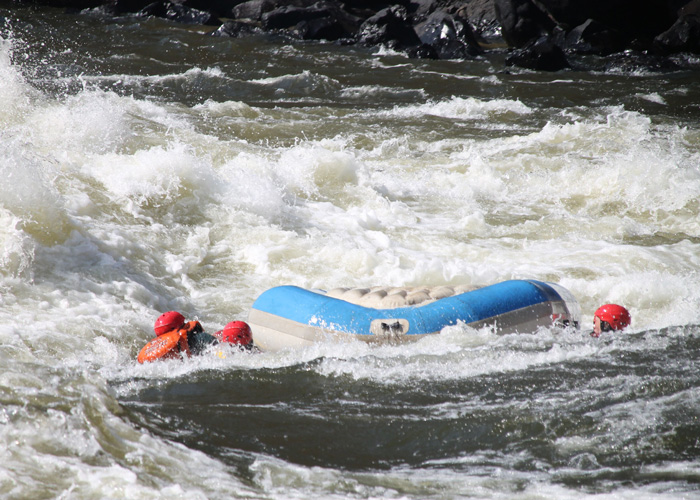
On our last day, we went rafting on the Zembezi River, from rapid 11 to 21. The water was too high to start from rapid number 1, but from what our guide told us, it is mainly grade 5 rapids and not many groups stick out the first 10 rapids, never mind the entire river! After a quick safety briefing and instruction on paddling and working as a team, we were off. The first few rapids were pretty easy going and we soon got into the swing of things, the scenery in the gorge was beautiful and very tranquil. That was until we came up against a grade 5 rapid called “Terminator 2”, as we paddled into it, our guide shouted get down and then the rapid came at us like a wall of water, it just swallowed us up, flipped us over and spat us out the other side… We all surfaced eventually, I was underneath the raft, which was upside down still, so we flipped the raft and pulled one another back onboard and continued down river. The rest of the rapids were nothing more than grade 3, its took us a few hours to get to rapid 21, then we had a half hour walk out of the gorge for some lunch. It was such great fun!

Matobo National Park, Zimbabwe
- On July 17, 2014
- By victoria
- In Africa, Zimbabwe
- 0
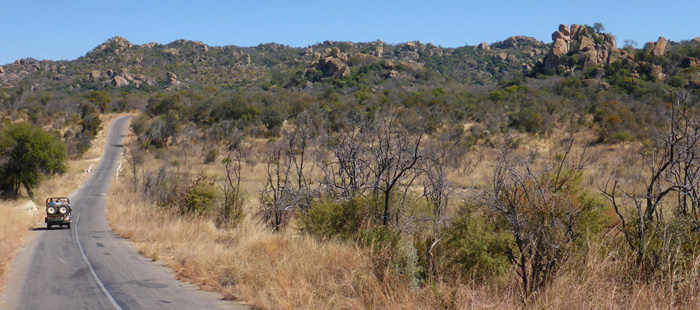
We stayed at a camp called Burkes Paradise just outside of Bulawayo, Zimbabwe’s second largest city after it’s capital, Harare. It was an hours drive to the Rhodes Matobos National Park (425 sq km), we were visiting the park with African Wanderer Safaris, our guide Iain, who had been taking safaris in the park all his life, was extremely knowledgable about the park and it’s animals, specifically the rhinos, he had grown up watching some of the rhinos we saw, he had seen them born, grow up and have offspring of their own.
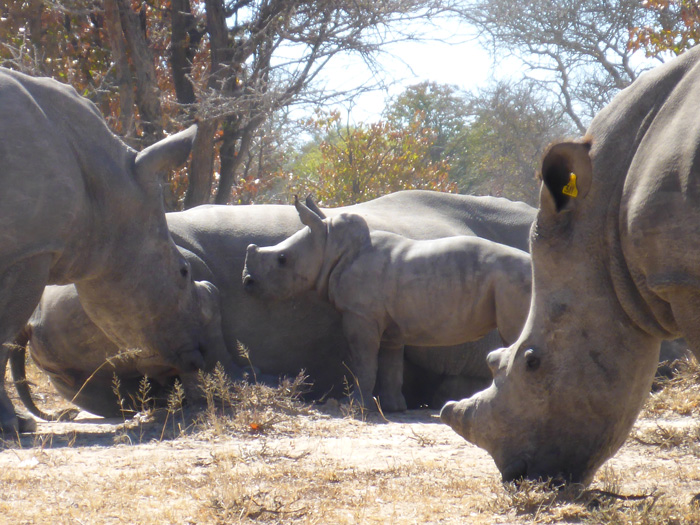
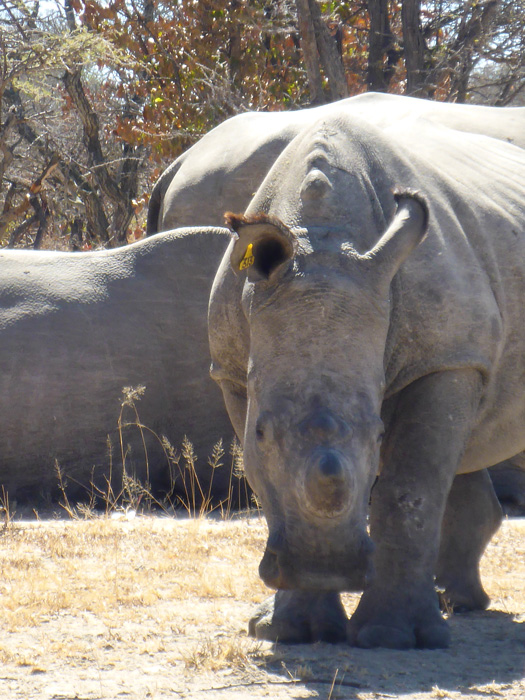
Once inside the park, we were given some inside info by the park rangers as to the whereabouts of a crush (name for a group/herd) of white rhinos, so we parked up our 4×4 and headed off into the bush on foot, we had to walk in a single file line and be very quiet, and once we found rhino we had to crouch down while viewing them, so that we were less dominating and blend more into the scenery (we had also been told to wear clothing that blended into the landscape, no bright colours, or white). Within fifteen minutes of walking, we were about 10 meters, if that, away from 7 adult and one baby white rhino. One of the females was heavily pregnant and due to give birth in the next few weeks. They were all happily grazing, and not bothered by our presence, it was approaching midday an extremely hot, so after a while of watching them they all lay down in the shade of the trees and relaxed. The baby kept wandering around nuzzling each of the adults as if to make them play, but they weren’t interested, then mum and baby moved on. The rhinos were aware of our presence, looking straight at us and walking towards us (we would slowly have to shuffle backwards, still in the crouching position), but they never seemed bothered or aggressive.
The rhinos we saw all had their horns humanely taken off by the park in an attempt to prevent poaching. This had worked to a certain extent, but unfortunately the poachers have still poached a number of the rhinos for even the smallest stump of horn. Rhino horn is the same as our fingernail, but in Asia it is thought to be an aphrodisiac and is sold for huge amounts of money.
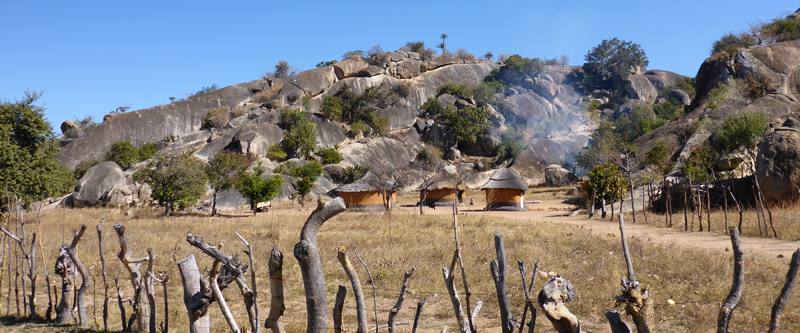
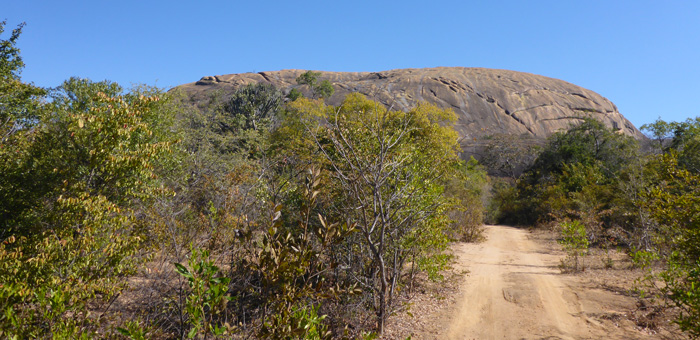
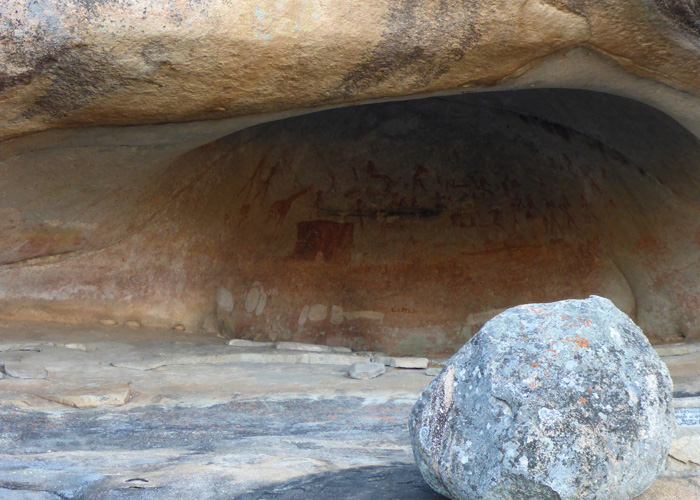
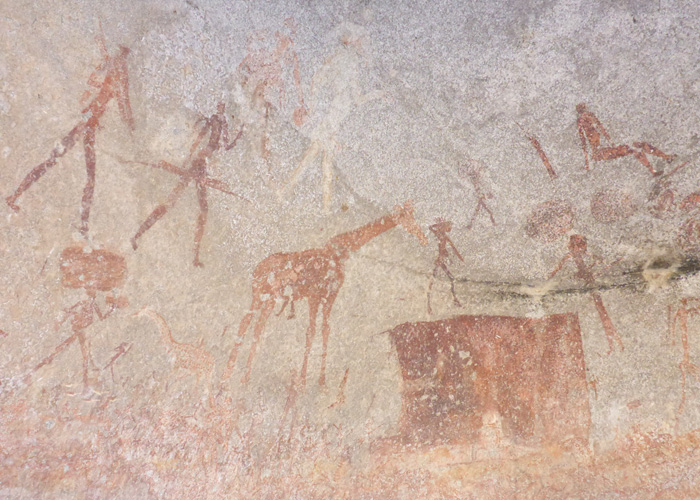
We drove south through the park to Silozwi village, where we walked up Silozwe a huge granite rock, to a rock art cave called Silozwane Cave, one of 3000 officially registered rock-art sites in the park. Here we could clearly see a number of drawings of people, animals and villages, these paintings had been done by bushmen over 60,000 years ago, these painting are like the diary of a bushman, what he has seen and hunted in the area, such as rhino, kudu, elephant, lion, impala, lizards, snakes giraffe, leopard, sable and fish. The paint is made with hematite, limonite (two types of rock) and ash, the rocks are crushed and mixed with ash and charcoal to make the colours, then mixed with urine and bile, the acid from the gallbladder (the only part of an animal that bushmen don’t eat) eats and etches into the rock allowing the paintings to last for such a long time.
Ian has studied the bushmen for over thirty years, met them and spent time with them. Today there are less than 3,000 busmen still alive, living the same lifestyle they have always lived, sadly there are only 43 left in Zimbabwe, Botswana has 250, Namibia has 2,500 and Angola has 100. An interesting fact Ian shared with us was, that a bushman’s body has adapted to have a fat storage area, in the buttocks, which will significantly enlarge and deflate. When he hunts, he will only kill enough food that he and his family can consume in one sitting, this sitting may take up to 36 hours, they will eat and sleep, eat and sleep till the food has been consumed and their fat stores are full and no food is left. There are records of a single bushman eating upto 20kg of meat in a single sitting. Bushmen are small, on average 4ft 6” in height, eating this amount of meat could be up to half their body weight! It can be up to 10 days or two weeks till he kills again, in that time he’ll eat berries, nuts, seeds, snakes, lizards, but nothing big like an antelope, impala or zebra.
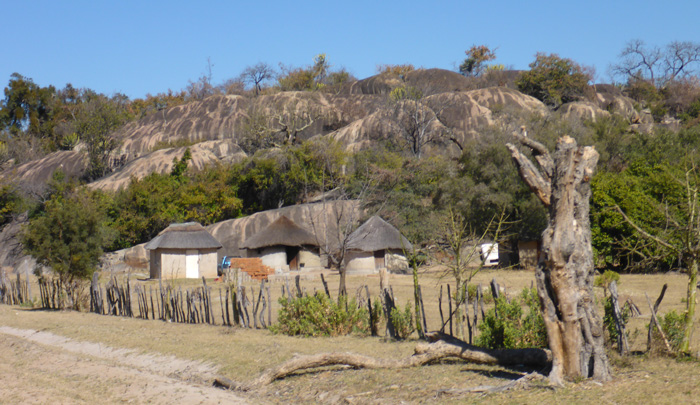
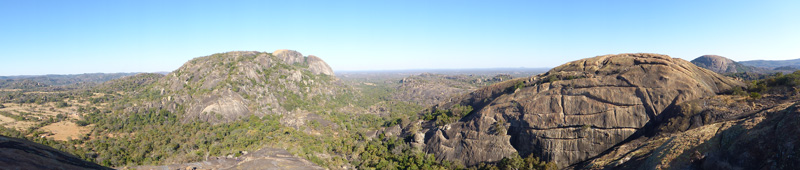
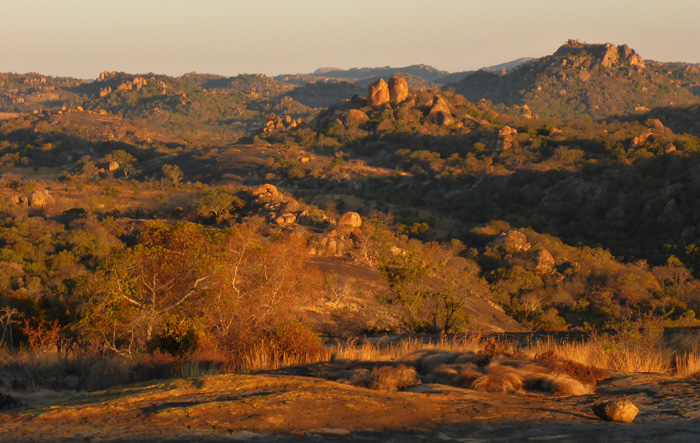
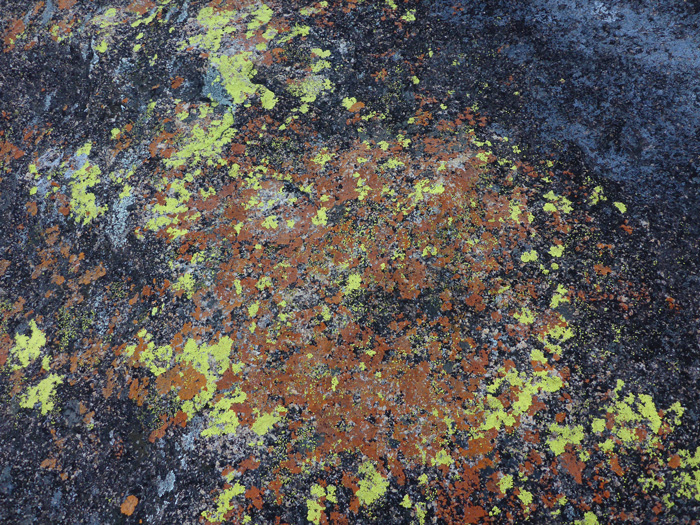
The landscape of the park itself “The Matopos” (meaning bald heads (like the rocks)), which has in recent years been named a Unesco World Heritage site, is dominated by huge granite boulders covered in brightly coloured lichen, balancing on top of one another. The view from the top of Silozwe was beautiful and stretched for miles, you could see all the boma’s of Silozwi village.
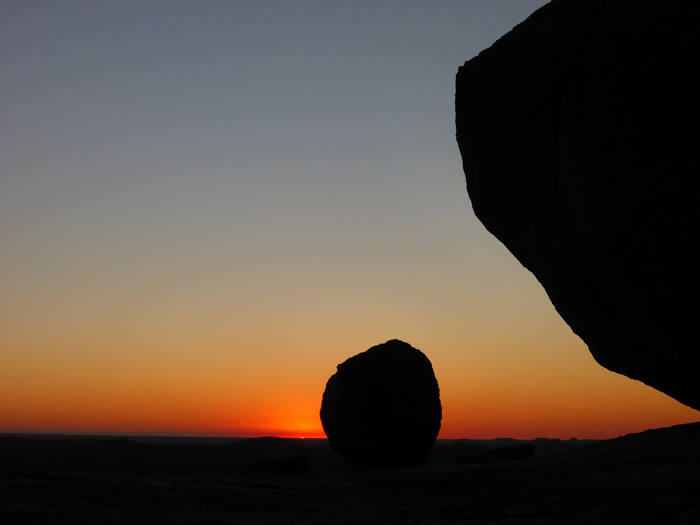
At sunset we visited the historic site of World’s View (Malindidzimu Hill), which gave the most most striking views and had massive boulders just perching on the top. Right on top is where Rhodesia’s founder Cecil Rhodes’ grave site is (Zimbabwe and Zambia used to be Rhodesia).


House boating on Lake Kariba, Zimbabwe
- On July 12, 2014
- By victoria
- In Africa, Zimbabwe
- 0
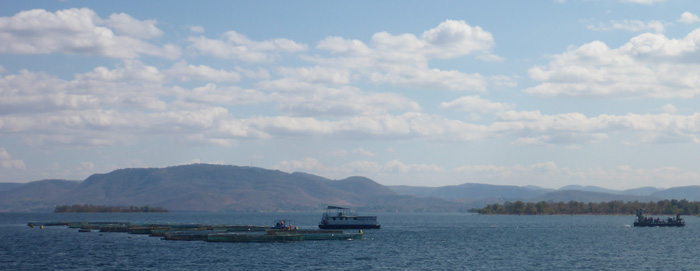
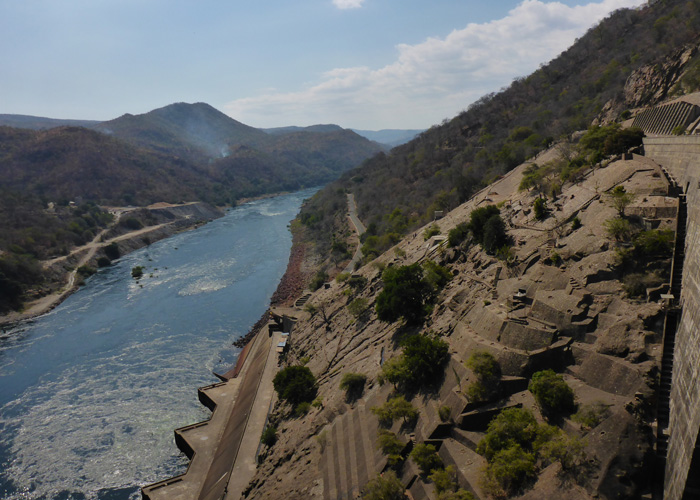
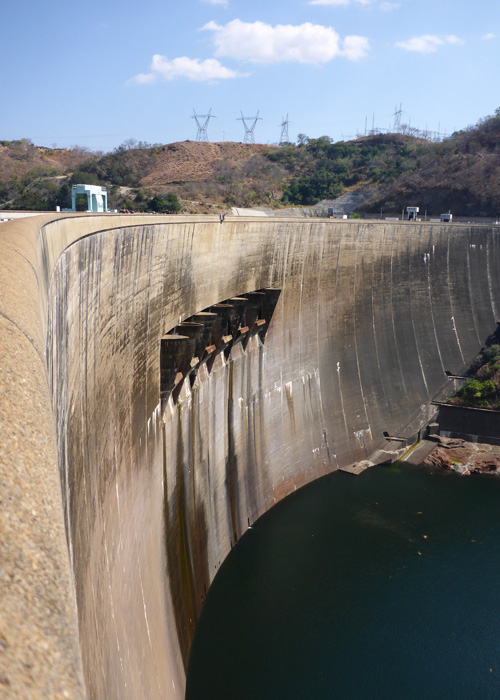
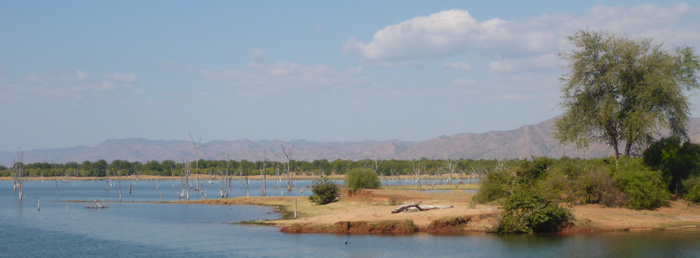
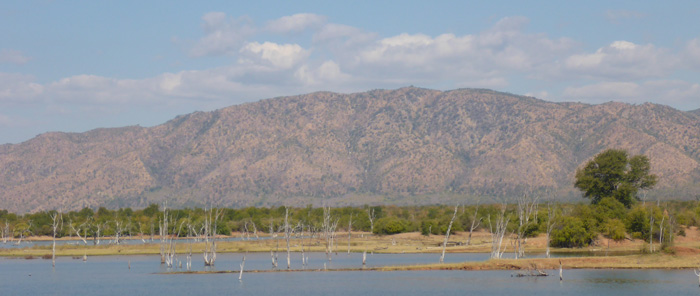
Sitting on the border of Zambia and Zimbabwe, Lake Kariba is one of the largest manmade lakes in the world, covering an area of over 5000 sq km, at it’s deepest it is 126m. The lake that is fed by three rivers, the main being the Zambezi, was created in the late 1950’s in conjunction with the Kariba dam to create electricity for the surrounding areas in both Zambia and Zimbabwe. Before the lake was created the land was farmlands and villages, all the residents were relocated to higher ground before the land was flooded.
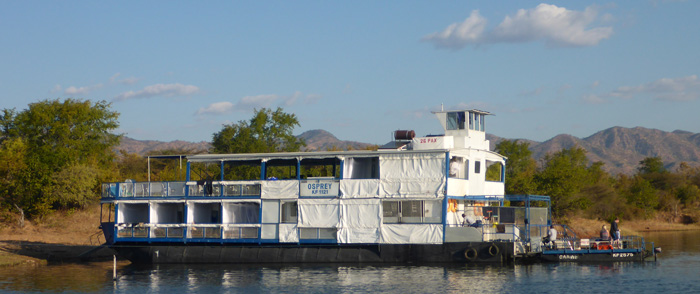
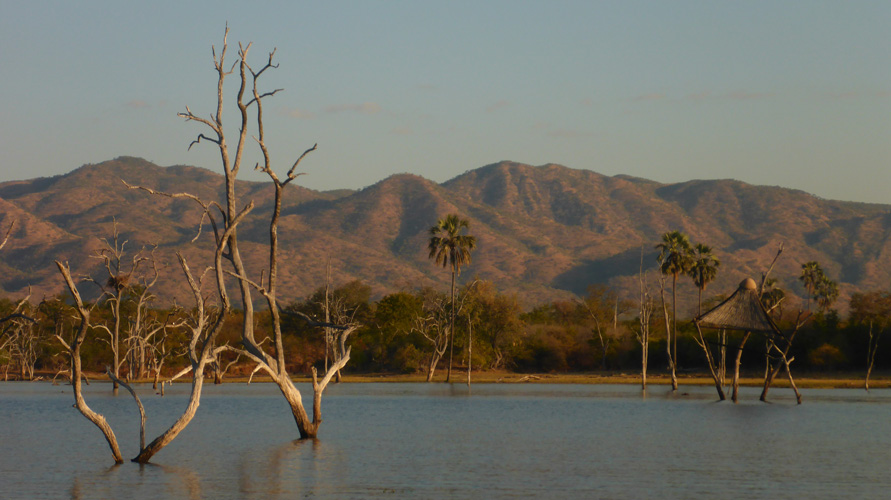
Our boat was called “Osprey”, run by Lake Kariba Houseboats, slept a maximum of 26 people, some of the other boats can sleep from 12 – 40 people. Our first night was spent on the North shore of the lake, where we went for a sunset boat ride. The second night we moored on the Southern lake shore in the Matusadona National Park, from here we took dusk and dawn boat trips to see the wildlife, the park does have the big five and elephants are regularly spotted, although we didn’t see any. The lake is dotted with islands and on the South shore you can see mountains and forests.
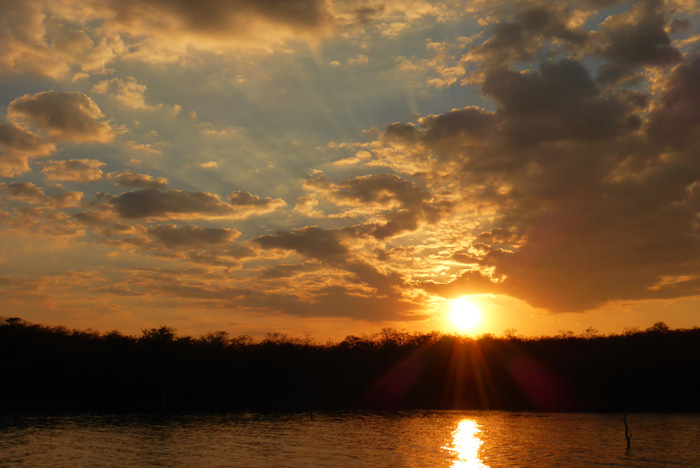
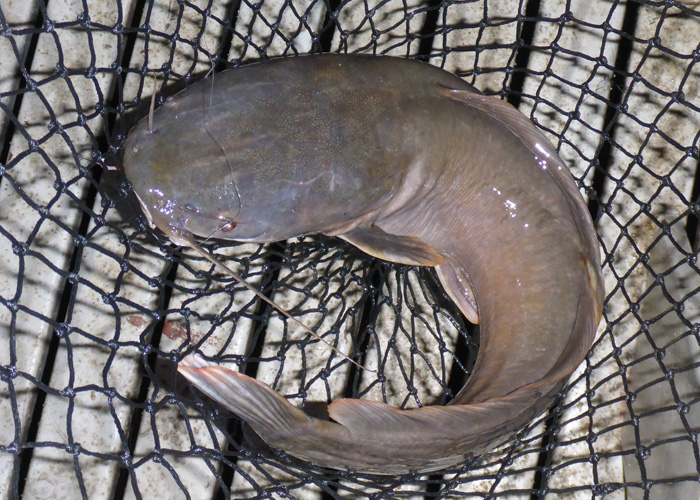
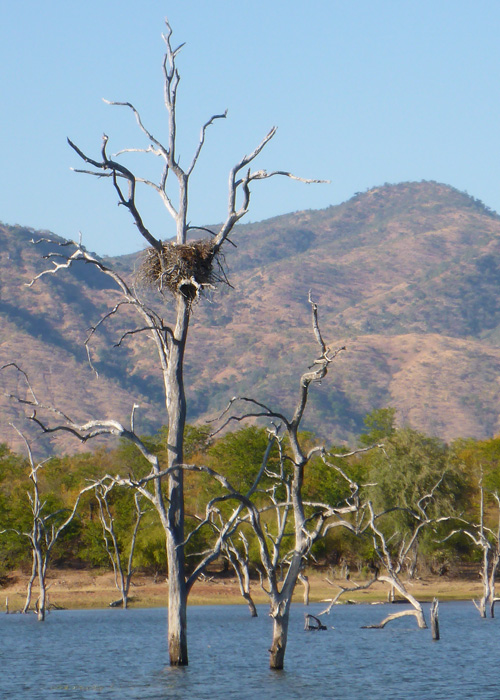
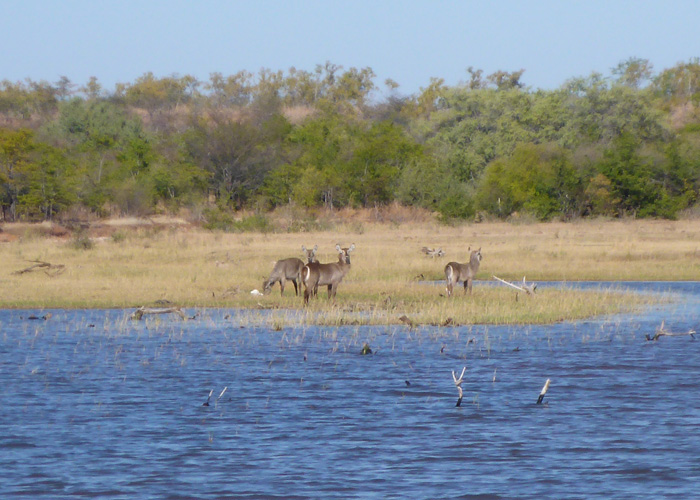
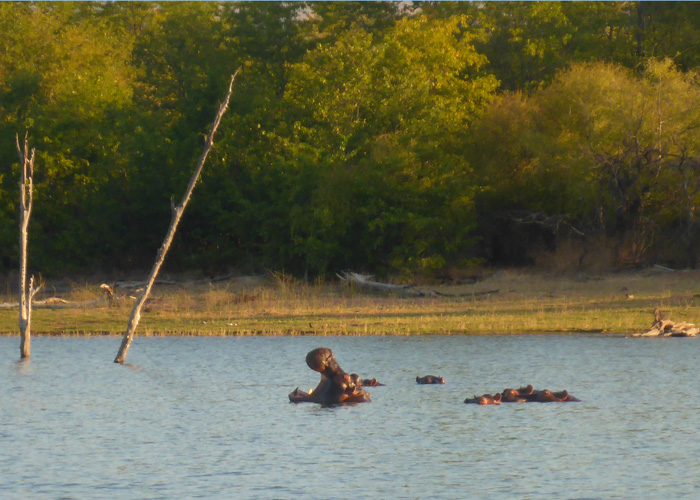
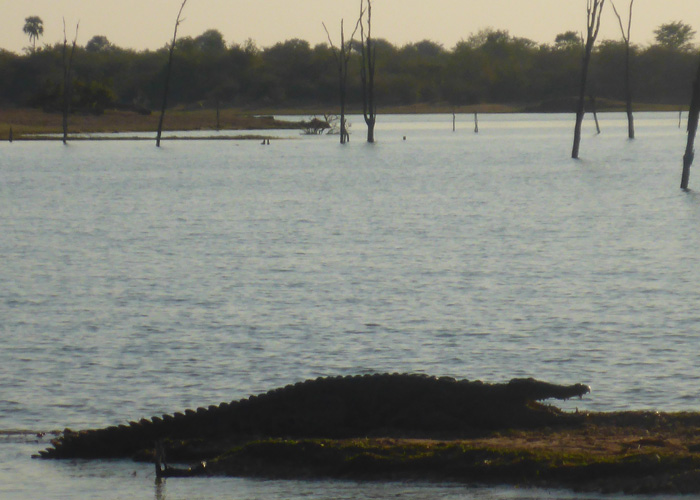
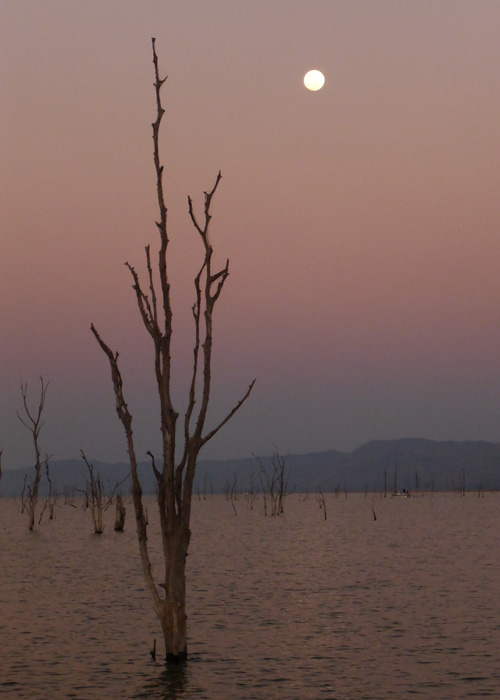
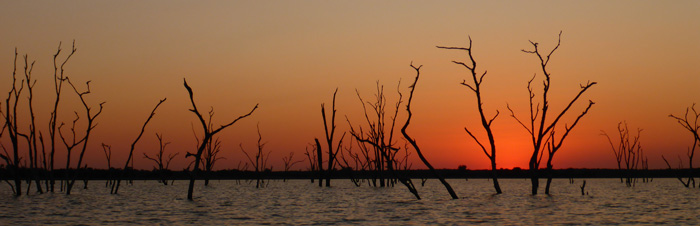
In the shallows and along the lake shore you can see skeletons of trees still standing, from before the lake was created, where fish eagles have built their nests, you also see lots of cormorants fishing alongside pods of hippopotamus poking their heads out of the water and crocodiles lazing on the shores. We also saw a few impala and waterbuck on the shores. Most of the animals that live in and around the lake are native to the area, only a few species of fish were introduced when the lake was created. We didn’t swim in the lake because of the hippos and crocs, but the houseboat had a small cage at the back that was lowered into the water to allow you to cool off in the water. Just last week a crocodile took and killed a guy from the shore who was tying up his boat.

I grew up in Nyeri...not too far from Nanyuki. Fond memories. You've described Nanyuki pretty accurately. Glad you enjoyed your…
Hallo.i have reading now ur article. I live 9 years in Nanyuki and like this life and the ppl. Welcome…
Thank you! Glad you enjoyed it and found it useful. I enjoyed the few months I stayed in Nanyuki last…
Hey Mzungu lassie? Very informative info about Nanyuki and the surrounding areas. I've been there once (for a day) and…
Brilliant pics, You must sleep well, whizzing around on quad bikes up & down the dunes and sand boarding.